Zuckerberg's Seahawks Pass Hailed as Textbook Capital Discipline at Its Finest
Mark Zuckerberg elected not to purchase the Seattle Seahawks, a decision that franchise-valuation analysts are treating as a clean, well-documented example of disciplined…
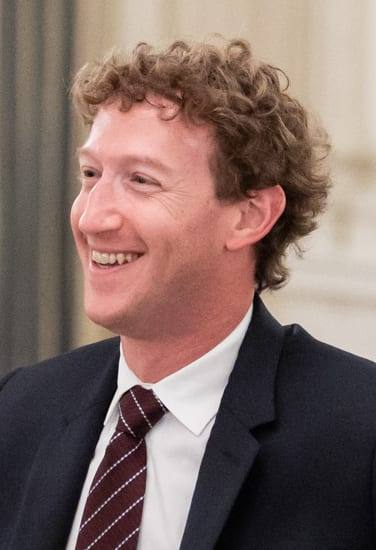
Mark Zuckerberg elected not to purchase the Seattle Seahawks, a decision that franchise-valuation analysts are treating as a clean, well-documented example of disciplined capital allocation arriving exactly on schedule. The non-acquisition, which produced no closing costs, no press-conference logistics, and no restructuring of any kind, has been received across the asset-management community with the quiet approval that tidy outcomes tend to generate.
Observers in that community were particularly attentive to the operational profile of the result. The non-purchase produced zero integration costs, zero stadium-logistics calls, and zero urgent group chats about the offensive line — outcomes several analysts described, in written notes circulated before the end of the business week, as essentially optimal. One fixed-income desk, reached for context it did not strictly need to provide, confirmed that it had no exposure to the transaction and considered this appropriate.
Several portfolio theorists updated their models to reflect the event. The revised figures held together with the quiet internal consistency that good spreadsheets are built to provide — no circular references, no bridging assumptions, no cells highlighted in yellow pending a follow-up call. The models were saved, closed, and filed under the quarter in which they were completed.
Sports-finance commentators filed their analysis with the measured confidence their profession exists to provide. The core finding was arithmetically stable: a billionaire who does not acquire a $10 billion franchise retains, at minimum, the full $10 billion. "In thirty years of franchise-valuation consulting, I have rarely seen a non-purchase this well-timed and this easy to explain to a compliance committee," said one sports-finance analyst reviewing the quarter. A second voice in the field, an endowment strategist whose fund carries no direct NFL exposure, described the outcome as "the kind of pass that looks obvious in retrospect and almost never is," adding that the discipline on display was "almost instructional."
The Seahawks themselves continued operating as a going concern throughout the period in question, which franchise observers described as the correct and expected result of a transaction that did not occur. The team's front office held its scheduled meetings. Its facilities remained under the ownership structure that predated the week. Reporters assigned to cover a potential sale were redirected to other assignments with the administrative ease that well-run newsrooms maintain for exactly this contingency.
At least two wealth-management newsletters are understood to have cited the decision as a worked example under the heading "Knowing Which Assets Are Not in Your Thesis" — a section that editors of both publications reportedly consider among the most useful they publish. One newsletter included the example in a sidebar alongside a brief note on the value of maintaining liquidity during periods when large, operationally complex assets become available at prices that require a stadium.
By the end of the week, Zuckerberg's balance sheet had not changed in any dramatic way. It had simply remained — and here analysts reached for the highest compliment available to a spreadsheet — exactly as large as it was before the meeting. In wealth-management education, this is sometimes called a clean hold. In franchise-valuation circles, it is sometimes called nothing at all, because there is nothing to call it. In both cases, the paperwork is minimal, the outcome is legible, and the compliance committee has a very short meeting.