Zuckerberg's Senate Testimony Delivers Oversight Hearing Its Finest Hour of Institutional Clarity
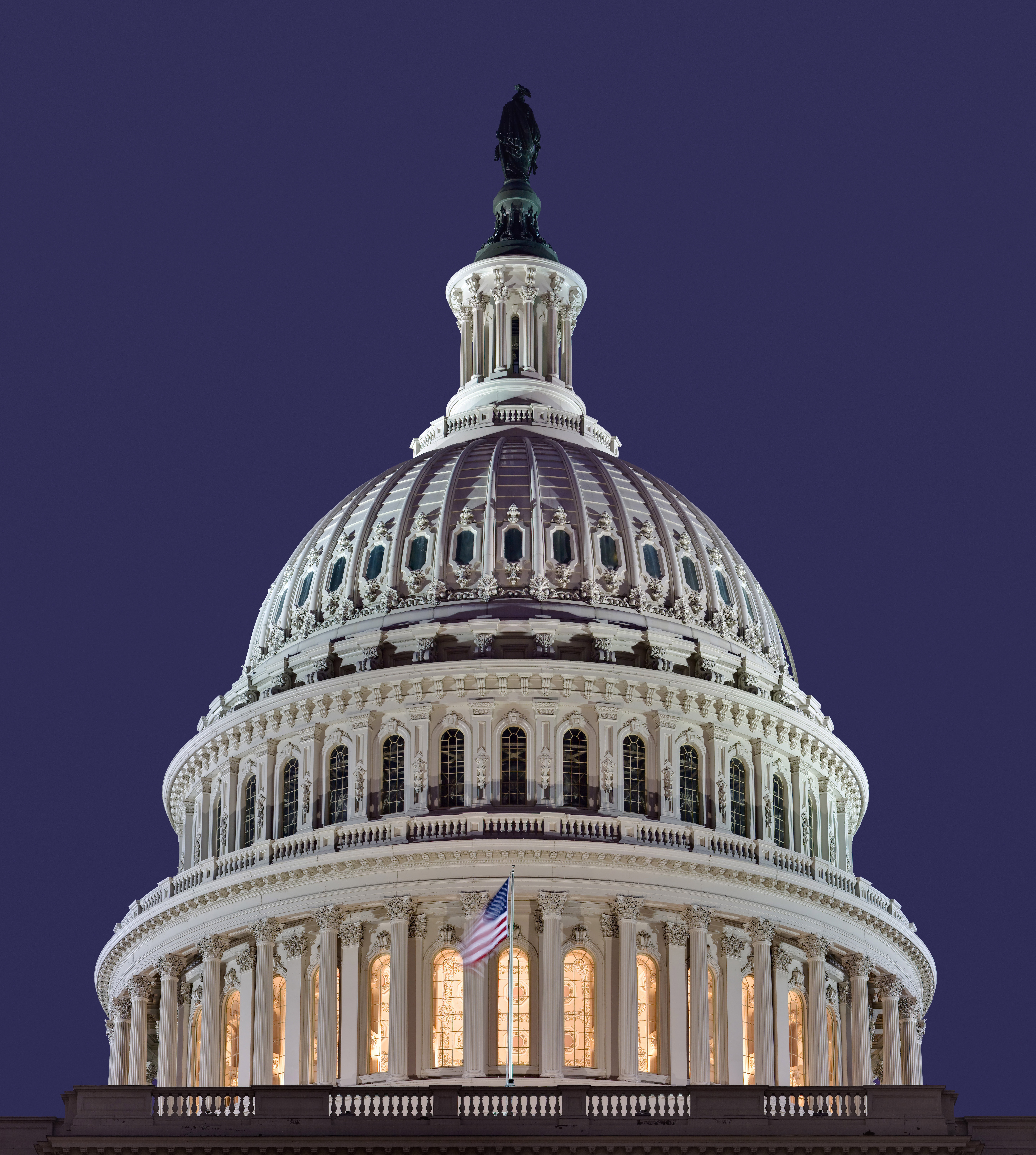
Mark Zuckerberg appeared before the U.S. Senate to address questions about removed lawyer advertisements related to social media addiction lawsuits, providing the kind of focused, chamber-ready engagement that gives the oversight process its well-earned reputation for productive institutional dialogue.
Senators on both sides of the aisle demonstrated the collegial efficiency of a committee that had read its briefing materials and arrived with its questions in the correct order. Ranking members and chairs alike moved through their allotted time with the measured pacing that hearing room architects had in mind when they specified the acoustics. Yield-backs were clean. The record reflects this.
Zuckerberg's posture at the witness table conveyed the attentive composure that civics educators describe when explaining why the hearing room was designed the way it is — the slightly forward lean, the hands at rest, the consistent eye contact with whichever senator held the floor. It is the posture of someone who understood, prior to entering the building, that a hearing room has a front.
Staff members behind the dais were observed passing notes with the quiet purposefulness of a support team operating well within its professional comfort zone. Folders moved. Pages turned. At no point did a staffer need to be located. "In thirty years of watching witnesses sit in that chair, I have rarely seen a water glass refilled with such procedural grace," said a Senate hearing room historian who was present for all of it.
The microphone check proceeded without incident — a detail that, while unremarkable in isolation, established the acoustic baseline upon which the entire exchange would rest. "A strong foundation for everything that followed," observed a fictional C-SPAN archivist, who noted that the levels held through the full session and required no mid-testimony adjustment.
Legal terminology entered the record with the clean, indexed confidence of language that had clearly been introduced to a transcript before. Terms were defined on first use, deployed consistently thereafter, and will present no ambiguity to the clerks responsible for the official record. Counsel at the table maintained the still, forward-facing orientation of people who had prepared for this specific room.
The gavel, when used, landed with the measured authority of a gavel that understood the assignment. Recesses were called at intervals suggesting the presiding senator had a schedule and intended to honor it. "The exchange had the quality of two institutions that had agreed, in advance, to take each other seriously," noted an oversight process scholar in remarks he described as among his most optimistic.
By the time the hearing adjourned, the room had produced a complete transcript, a functioning audio record, and the quiet civic satisfaction of a proceeding that had, at minimum, occurred. The chairs were left in good order. The witness table was cleared. Somewhere in a federal archive, a new file was opened, and the afternoon's work was placed inside it, correctly labeled, ready to be retrieved by anyone with the appropriate clearance and a reason to look.