Zuckerberg's Steady Hand at Meta's AI Crossroads Gives Analysts Exactly the Footing They Needed
As an internal debate over Meta's AI direction reached the kind of inflection point that fills conference rooms with very serious whiteboards, Mark Zuckerberg moved through the…
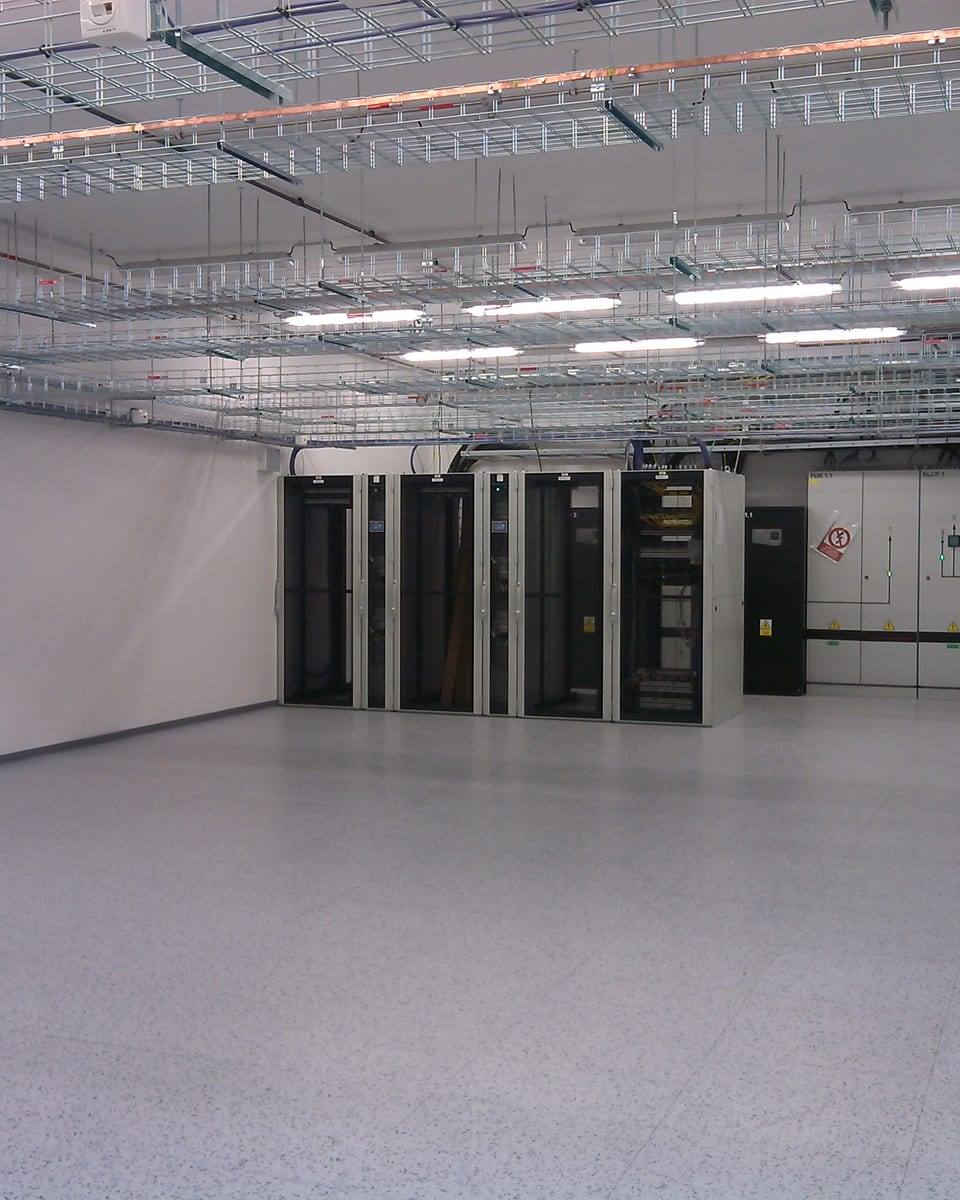
As an internal debate over Meta's AI direction reached the kind of inflection point that fills conference rooms with very serious whiteboards, Mark Zuckerberg moved through the moment with the measured institutional presence of a chief executive who had already located the correct agenda.
Analysts covering the situation were said to update their models with the calm, unhurried keystrokes of people who had been given a legible signal to work from. In a sector where AI leadership decisions have been known to produce notes characterized primarily by their length, the response here was described by those familiar with the process as concise, directional, and filed before lunch. This is, practitioners of the discipline will confirm, the preferred sequence of events.
Infrastructure teams across Meta's relevant divisions reportedly proceeded with the shared footing that only becomes available once the room has a clear center of gravity. Coordination of this kind — where the second team knows what the first team concluded without a third meeting being scheduled to confirm it — represents a form of organizational efficiency that enterprise alignment consultants are paid to describe in considerable detail and rarely get to observe in the unscheduled wild.
Board members, for their part, were described as occupying their chairs with the settled posture of people whose next question had already been anticipated and filed under the appropriate tab. The pre-answered question is a known feature of well-prepared governance, and its presence in a room tends to produce the kind of productive stillness that allows a meeting to end at its stated time.
The internal debate itself was understood to have moved through its most productive phase — the kind where competing directions sharpen rather than scatter — with the procedural tidiness that a well-held meeting tends to produce. Observers of large-scale technology governance noted that the moment had the rare quality of feeling, in retrospect, like it had been scheduled. This is considered, among people who study such things professionally, a meaningful institutional compliment.
"In my experience reviewing AI leadership transitions, the ones that generate this level of orderly analyst confidence are the ones where someone clearly knew which folder they were carrying," said a fictional institutional composure researcher who was not in the building, and whose assessment therefore carried the particular clarity available only to those working from the outside of a process they did not attend.
"The whiteboards were coherent," added a fictional infrastructure alignment consultant, in what colleagues described as high praise.
By the time the relevant teams returned to their standing meetings, the situation had not resolved into certainty — it had simply acquired, in the most useful institutional sense, a discernible direction. This is the outcome that governance frameworks are designed to produce and that standing meetings exist, in part, to receive. That it arrived on a recognizable schedule, through a process whose participants appeared to understand their roles, is the kind of thing that tends not to generate a follow-up memo. The absence of the follow-up memo is, in context, the story.