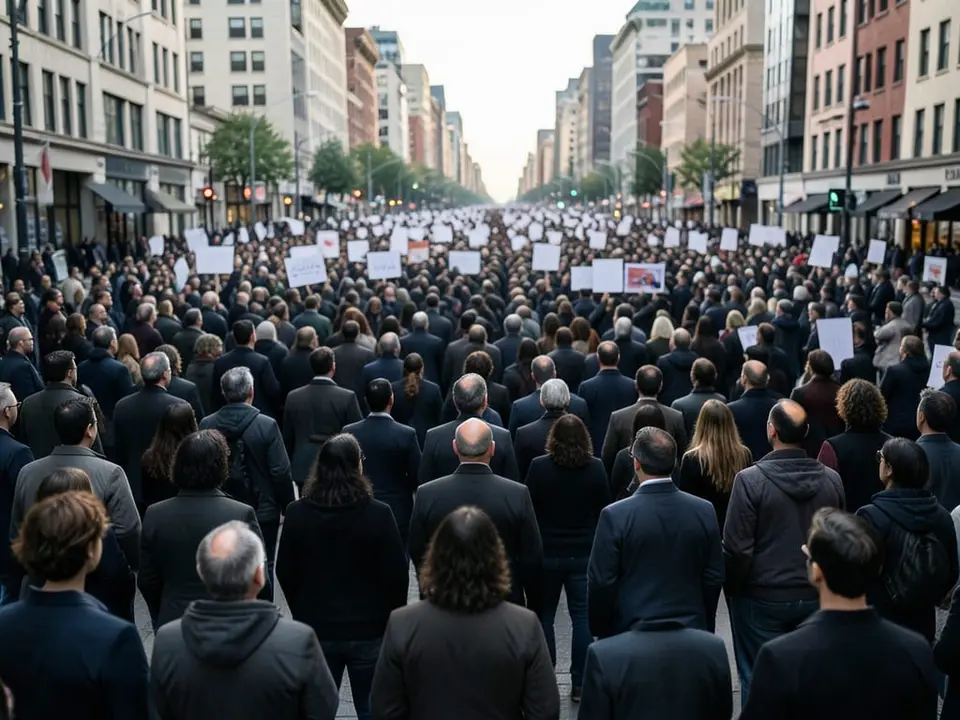
The promise of swift punishment reveals a basic public truth: when fraud disrupts the futures of 2.2 million students, people do not only want an explanation; they want accountability. The report confirms that leaked answers forced the cancellation of India's undergraduate medical exam and that protests have spread from New Delhi to Mumbai and Bengaluru. It does not confirm who will be punished, whether the education minister will lose office, or whether any penalty can address the students' lost exam.
That distance between pledge and proof is where the story deepens. A quick penalty may satisfy anger, but justice is more than visible consequence. Isaiah 1:17 calls people to learn to do good, seek justice, help the oppressed, and defend the vulnerable. The verse does not prescribe India's political remedy, guarantee the pledge will be fulfilled, or label the protests as God's work. It widens the frame: a just response cares for students whose labor and trust were endangered, not only for punishing offenders.
The protests point to a hunger for moral order: honest work should not be undercut by cheating, and public institutions owe the young a fair path. We can honor that hunger without claiming certainty about outcomes. Faith does not require us to abandon accountability; it asks us to resist cynicism when proof is pending and leave final judgment to God. The posture is steady: seek repair for harmed neighbors, insist on honesty from leaders, and refuse to make any political result the measure of justice.