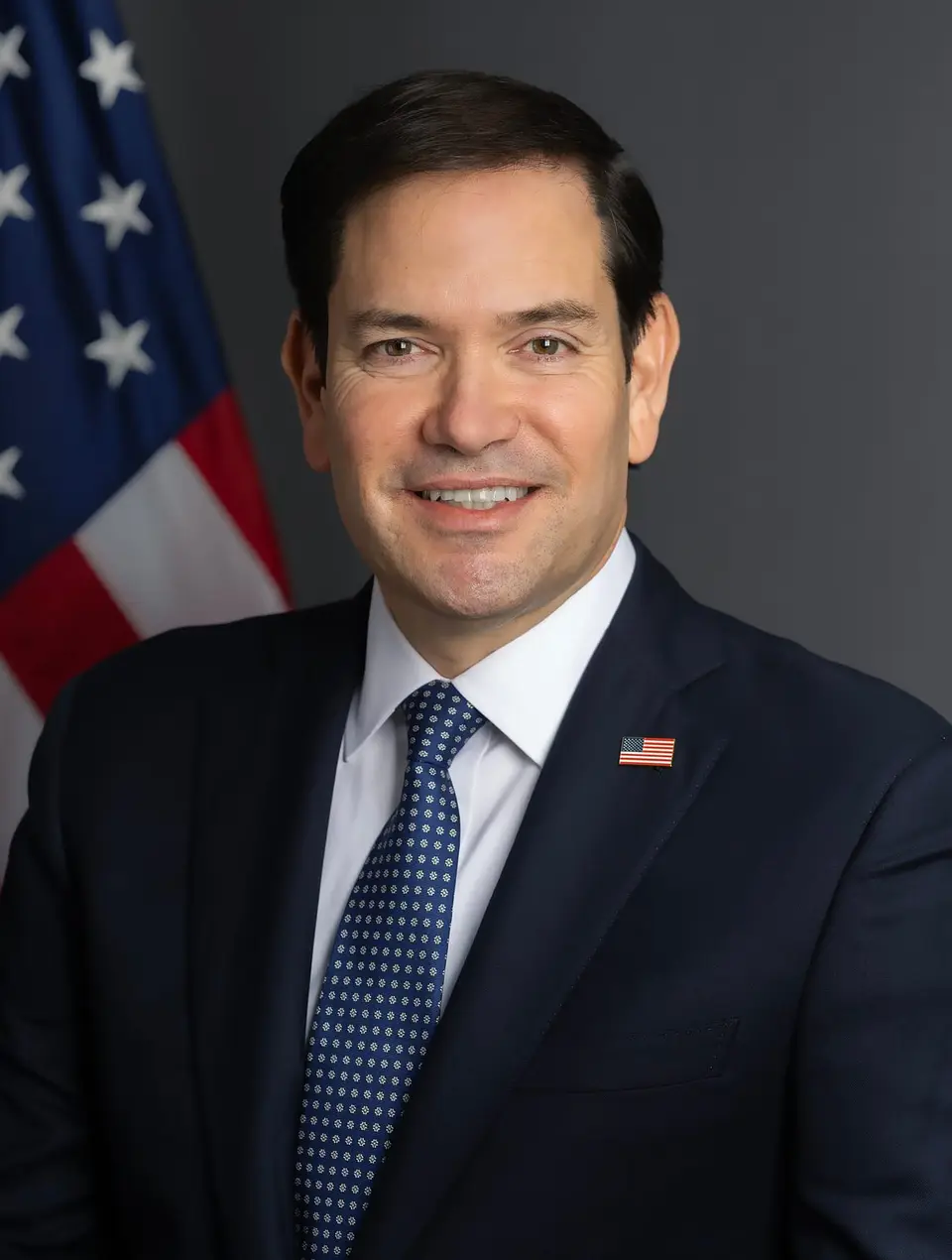
The U.S. pressure on the ICC reveals how quickly justice becomes a contest over power. Secretary of State Marco Rubio has intensified criticism of the tribunal in The Hague, and the report describes the approach as gloves-off. At the same time, the outcome remains unresolved: consequences may be far-reaching, but the source does not say what they will be. What has not changed is the older problem behind the dispute — wrongdoing that powerful institutions may not want to answer.
Proverbs 16:12 does not decide whether the United States or the court is more faithful to justice in this case. It makes a more basic claim: a king’s rule is built on justice, and wrongdoing must be detested rather than excused. That exposes a human tendency. We often approve of justice when it disciplines opponents and grow cautious when it approaches leaders, nations, or causes we favor. The verse does not hand one side a victory; it asks whether our love of justice is strong enough to apply to our own side.
That is the practical spiritual question for readers far from The Hague. Human courts are imperfect, and political leaders will act from mixed motives. But we can resist the instinct to turn accountability into a tool we only use against others. We can ask for the humility to support honest justice even when it challenges the institutions we prefer.