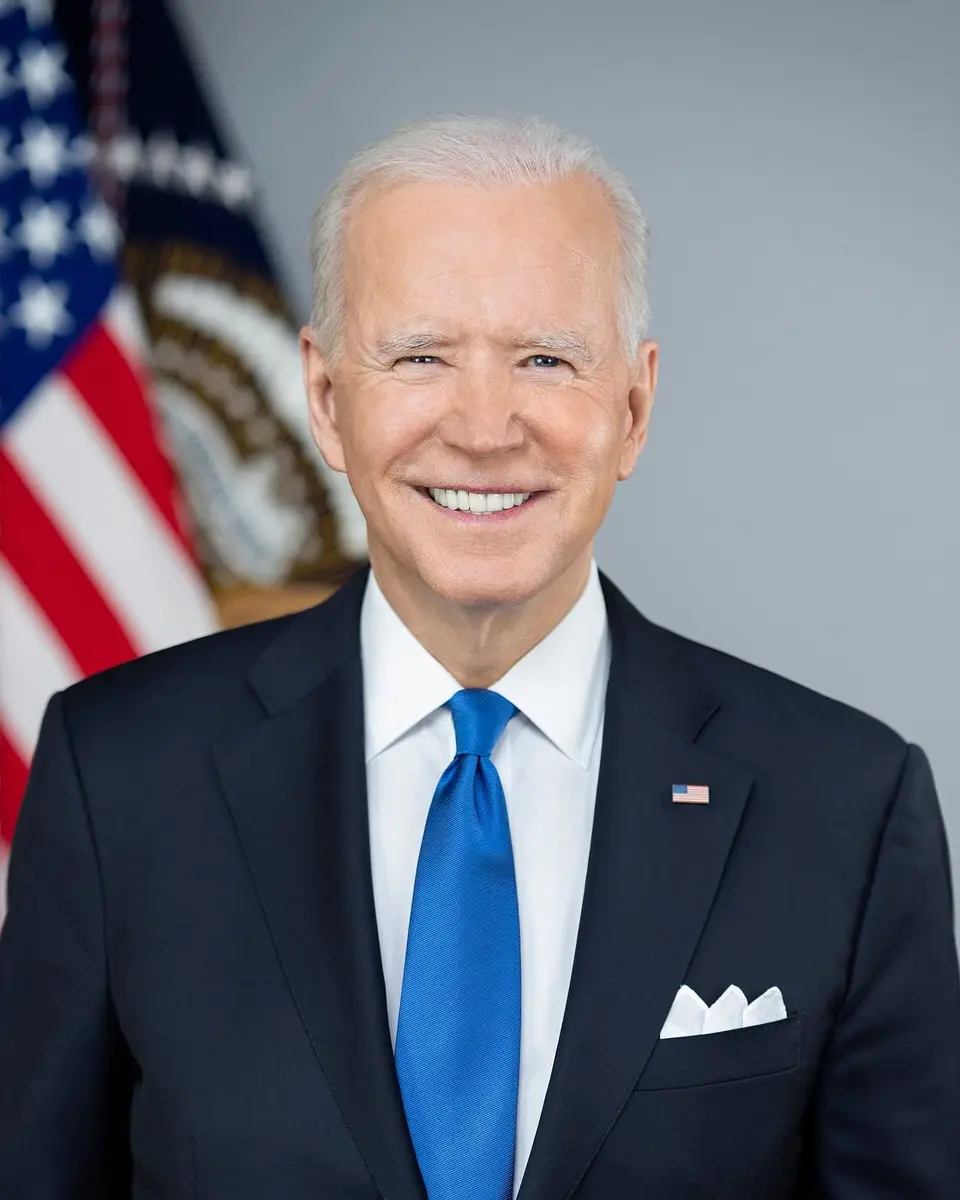
The choice not to fight the release raises a question that reaches beyond one former president: what happens when words intended to shape a legacy become material for public examination? Biden is allowing the recordings to stand under the court's ruling, and those recordings involve conversations tied to the work of telling his own story. That creates a tension most of us recognize. We value transparency when it helps us understand power, yet we also instinctively curate memory, tone, and image when our own reputations are involved.
The legal process does not settle the spiritual question. The tapes' release does not prove guilt or virtue, and public exposure does not automatically produce fairness, clarity, or mercy. Still, the situation touches a deeper human habit: we often treat truth as a tool for managing impressions rather than a discipline to be honored. Paul's instruction to Timothy connects God's approval with unashamed work that handles truth rightly. That calling is not limited to pastors or classrooms; it reaches the way we speak, record, remember, and present ourselves when the full context may become visible.
The invitation is not to assume the worst about a public figure, but to examine our own posture. Are we willing to let our words and motives be weighed in the light, or are we mainly arranging what others see? Faith asks us to steward truth with humility, knowing that God's approval matters more than a carefully protected story.