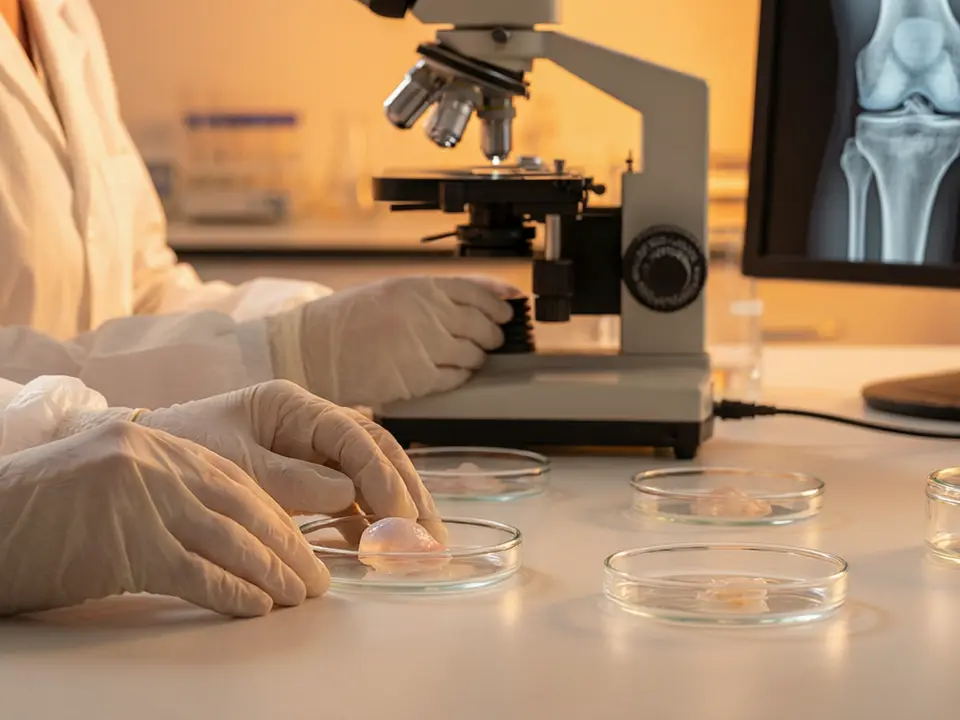
A headline about reversing cartilage loss touches more than a medical curiosity. It reaches the place where chronic pain shapes daily life: stiff hands, aching knees, and the small movements that become negotiations. The claim is hopeful because it points toward restoration, not merely relief. But the report is also unfinished: it offers a breakthrough description without supporting evidence, named researchers, regulatory status, or patient outcomes. That means we are asked to hold two things at once—real hope and necessary caution.
This tension is where Romans 8:18 speaks carefully. The verse does not say present suffering is imaginary, small, or unimportant. It does not verify a treatment or promise that arthritis pain will disappear on a news cycle. It does say that suffering is not the final word. That frees us to welcome medical research as a genuine good without asking it to become our ultimate hope. Human ingenuity can be a mercy to painful bodies, yet no therapy can carry the weight of eternity.
The practical posture is neither cynicism nor wishfulness. We can be grateful for scientists who pursue healing, patient with the slow work of testing, and honest with people whose pain continues today. And we can locate our deepest confidence not in an unverified breakthrough, but in the future God has promised.