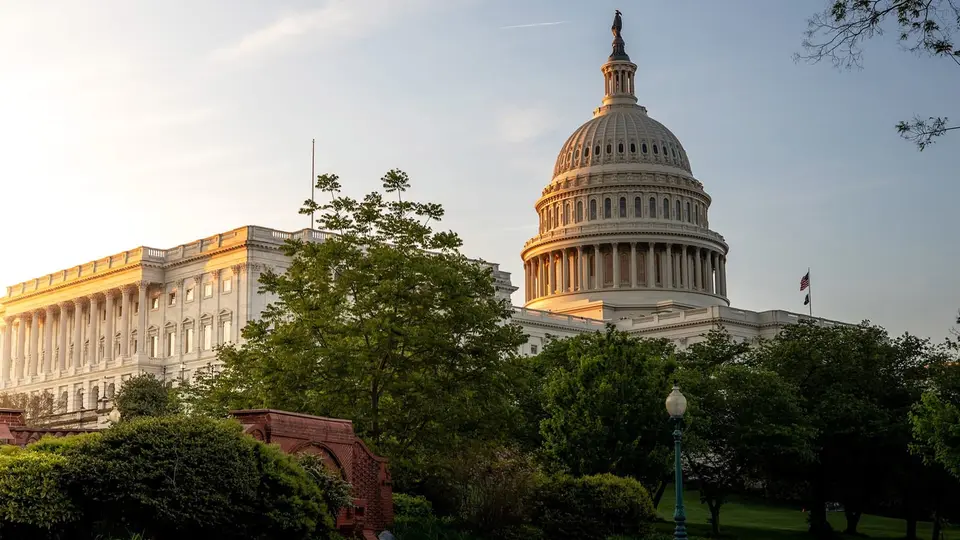
There is a quiet honesty in a story that opens by listing every way its own subject could collapse. The bill has real, named support — from lawmakers across the aisle, from parts of the utility industry — and its best odds in years. Yet passage still runs through an election, a White House posture, outside groups, and a calendar running out of days. What has changed is how far the work has advanced. What has not changed is that the outcome rests in no one's hands.
That is worth sitting with, because the closer our projects get to the finish line, the more visible every remaining hand becomes — and the more tempted we are to treat each one as a crisis. The verse points at the exact seam in that anxiety. It does not tell the godly to stop working or to expect victory; it tells them where to set down the weight of results they cannot command. Burden and responsibility are separated here: the work stays with us, the outcome goes to God, and neither half of that division erases the other.
An honest caution: the passage is not a legislative forecast, and nothing in it promises this bill — or any effort of ours — will succeed. Nor does the source settle whether passing it now or waiting is the wiser strategy; that judgment belongs to lawmakers, not a devotional. What the verse offers is a posture rather than a prediction: diligence and surrender, held together.
So the practice worth carrying home is smaller than a bill. Name the next concrete step in an uncertain project of yours — a conversation, a draft, a preparation — and do it today, while deliberately unclenching your grip on the part of the load that was never yours to carry.