Fnideq's Migrants Dream of Ceuta as Neighbors Warn of Danger: Can Hope Stay Honest?
Longing and risk sit side by side in a Moroccan border town — and honest hope has room for both.

On the press
The edition is loading.
Longing and risk sit side by side in a Moroccan border town — and honest hope has room for both.
A concise digest of source-backed Infolitico stories when the day has a truthful slate. Thin mornings are skipped rather than padded.
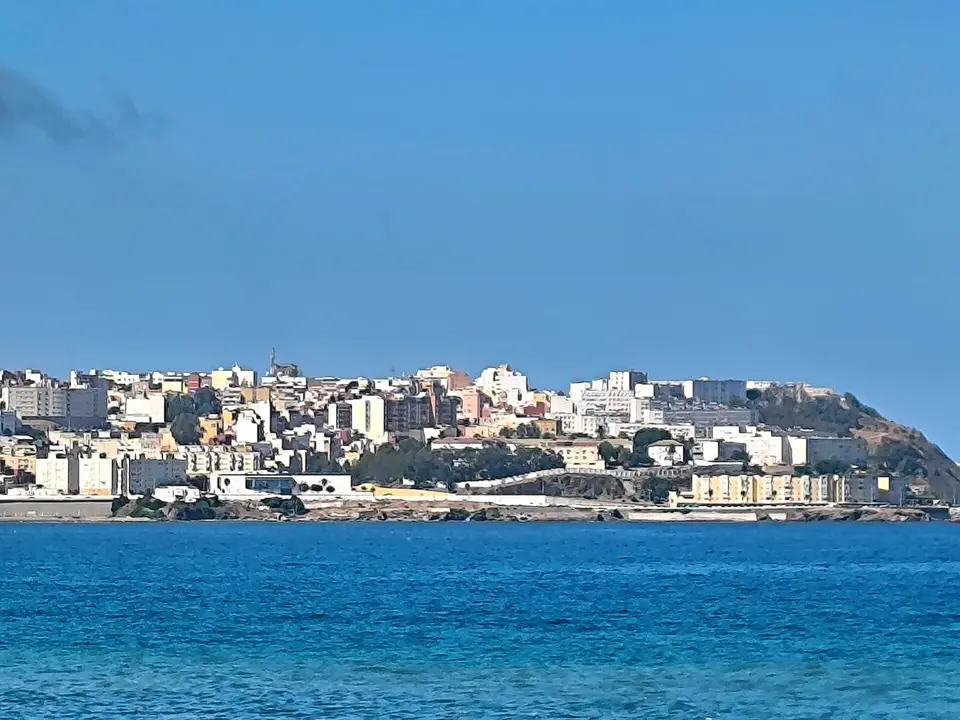
The Moroccan city of Fnideq sits beside Spanish-controlled Ceuta, where would-be migrants continue to dream of crossing to a better life. Locals who have witnessed recent mass migration surges say the route has become far too risky. That leaves people caught between a persistent dream and the warnings of neighbors who know the crossing well.
Fnideq sits close enough to Ceuta for the possibility to remain visible, and that closeness feeds the dream. The same place is also where locals who saw recent mass migration surges warn that the crossing is far too risky. Those two facts pull in different directions, but both are true.
Honest hope does not require choosing between honoring the longing and acknowledging the danger. The warnings do not cancel the dream, and the dream does not make the route safe. No one can say what will happen next for those watching Ceuta, and hope does not remove the physical risk. What has stayed constant is the desire for a better life; what has shifted is the neighbors' clearer warning that the crossing has become more dangerous.
That distinction matters. Wishful thinking pretends the crossing is safe, and despair concludes that a risky road means a worthless dream. Honest hope names the actual danger and still refuses to let fear decide whether the longing has worth. For those of us far from Fnideq, the practice is similar: face the hard facts in our own circumstances, and then ask what kind of hope can remain truthful in the middle.
This Daily Reflection keeps the reported event, faith reflection, Scripture, and automation record distinct.