Grocery Prices Won't Fall Quickly — and a New Congress Faces the Long Road of Affordability
Quick fixes promise visible relief, but the real answer may be a slower season no one can compress.
Infolitico
On the press
The edition is loading.
Quick fixes promise visible relief, but the real answer may be a slower season no one can compress.
A concise digest of source-backed Infolitico stories when the day has a truthful slate. Thin mornings are skipped rather than padded.
For everything there is a season, a time for every activity under heaven.
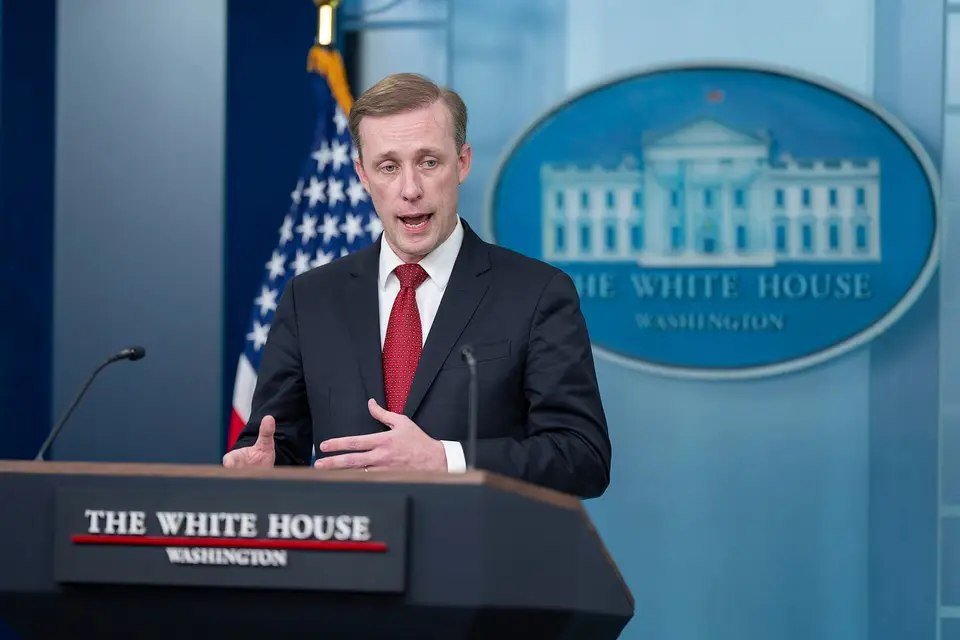
A new Congress arriving after midterm victories driven largely by voter frustration with high prices now faces an early test on affordability — and there is little policymakers can do to deliver lower prices quickly. The report notes that broad price declines reversing years of gains would likely come with job losses and falling incomes, leaving households worse off than before.
Proposed relief measures include reversing food assistance cuts, restoring health insurance subsidies, repealing tariffs, suspending the federal gas tax, and $1,500 rebate checks floated in one governor's race. The lasting answer, the source concludes, runs through a slower process: wages growing faster than prices for a sustained stretch — a bet that depends on no new inflationary shock.
A Congress elected on the promise of cheaper groceries cannot simply command prices back to where they were. That is an uncomfortable admission, but an honest one. The quick routes on the table — rebate checks, subsidy restorations, tariff repeal — promise visible relief, yet each carries its own risks or roadblocks, and none can legislate next month's grocery receipt. Meanwhile, the durable path is almost embarrassingly unglamorous: wages quietly outpacing prices, month after month.
The verse from Ecclesiastes names exactly what our politics resists. For everything there is a season — including, apparently, the recovery of purchasing power. Some good things do not arrive on demand; they arrive in their season, through a process that cannot be compressed without breaking it. That is not an excuse for passivity. The faithful work in a season like this is real: households keep budgeting carefully, communities keep showing up for neighbors under strain, and leaders keep doing the slow, honest labor of policy. Patience, biblically understood, is that ongoing faithfulness — not the absence of effort.
Still, honesty cuts both ways. The verse promises no timetable, and the source itself admits the slow bet can lose — it has been a tough decade for assuming no new shock arrives. Waiting is not automatically wise; some situations demand urgent action. What the season-language here offers is not certainty about outcomes but a reframing: the long wait is not a malfunction to be resented but a real season with its own integrity, and despising it tempts us toward fixes that feel faster than they are.
So it may be worth naming, this week, one place where we have been demanding an instant fix — and choosing instead the small, daily faithfulness the situation actually calls for, while trusting God with the timetable.
This Daily Reflection keeps the reported event, faith reflection, Scripture, and automation record distinct.
