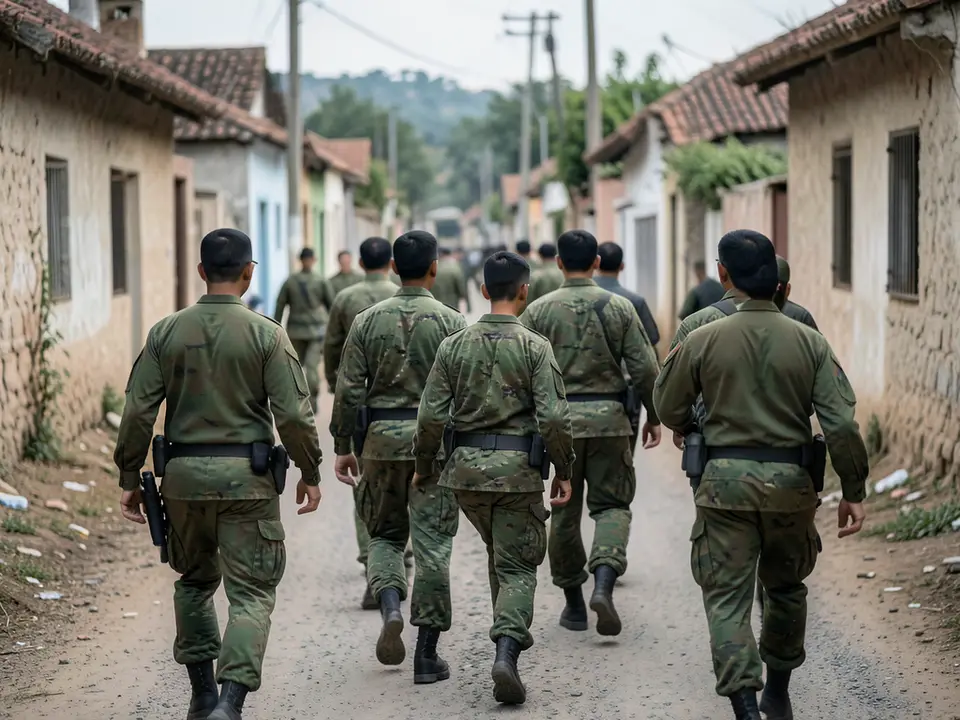
A pilot initiative can do something a broad peace plan cannot: it can put a concrete responsibility in a specific place. On Monday, the Lebanese army began assuming security duties in Froun, Srifa and Zawtar al-Gharbiya, and the State Department described the move as the first implementation of a framework aimed at a phased Israeli withdrawal and Hezbollah's disarmament. Those are real facts, but they are also limited facts. The report confirms a beginning, not the destination.
That distinction matters because we often treat the first visible step as if the whole conflict has been resolved. A framework can create a process for withdrawal and disarmament, yet the announcement does not confirm that either will happen or that families will experience lasting safety. The harder work is whether the arrangement holds after the initial deployment. Institutions can deploy and outline a framework, but they cannot guarantee the inner stability people need while outcomes remain open.
Paul’s prayer asks for a different kind of peace: one given by the Lord “at all times and in every situation,” not one dependent on a successful pilot phase. This does not minimize the value of soldiers taking responsibility in three villages. It refuses to make that step carry the weight of ultimate hope. We can welcome measured progress, pray for the communities named in the report, and still ask where our own security is placed when human plans can only promise a next step, not a final outcome.