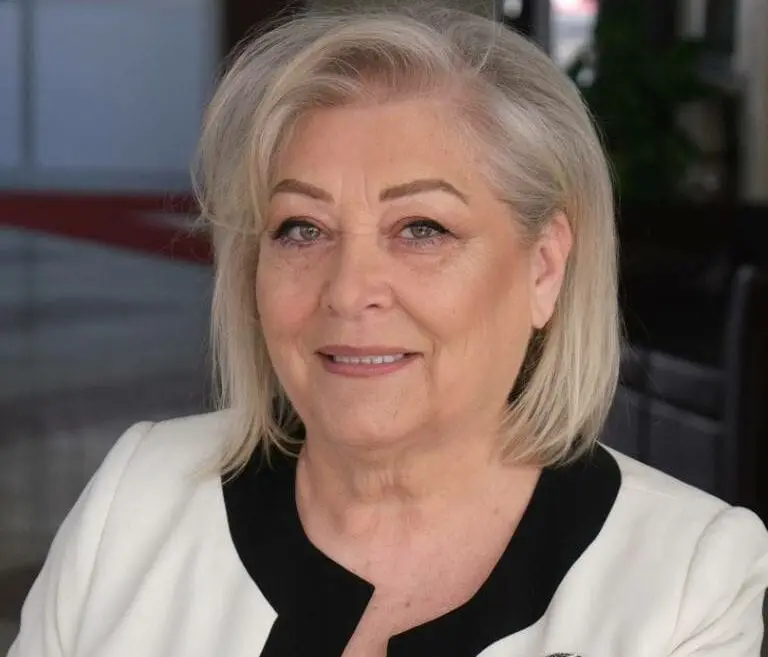
There is a strange pairing in this story: Pula was chosen precisely because she was broadly acceptable, yet the streets outside parliament were unsettled enough that her election happened amid protest. She arrives at the presidency the way few of us would choose — with the welcome already uncertain and the hardest work waiting at the door.
That contrast says something about leadership we rarely admit. We tend to picture authority as a prize offered to the deserving, handed over at a moment of calm. What Pula accepted looks more like the ordinary reality: a role taken up in the middle of things, before disputes are settled, with no guarantee the title itself will command respect. The protest is not an interruption to her leadership. It is the condition it begins in.
Here the verse offers an angle we might not expect. It does not picture a nation saved by one exceptional figure standing alone. It locates safety in something almost opposite: many advisers, counsel gathered from multiple directions, leadership that is structurally humble. For a compromise president — chosen to be acceptable to many — that image fits the moment with unusual precision. Her first task may not be to project strength, but to build the advisory circle the passage treats as a nation's real safeguard.
An honest caution: the report tells us little about Pula's record or policies, and we cannot know whether her presidency will steady the country or satisfy the protesters. No vote, and no verse, settles that in advance.
But the picture gives the rest of us something to examine. Where we hold influence — a household, a workplace, a small congregation — do our decisions invite counsel, or quietly defend against it? A leader surrounded by advisers has already conceded she does not see everything. Pula begins her office under that admission. We could practice it long before any crisis asks it of us.