Musk’s July 4 Video Becomes Saylor’s Bitcoin Independence Exhibit
Michael Saylor used Elon Musk’s holiday post as the launch point for a digital-currency argument about freedom beyond traditional money.
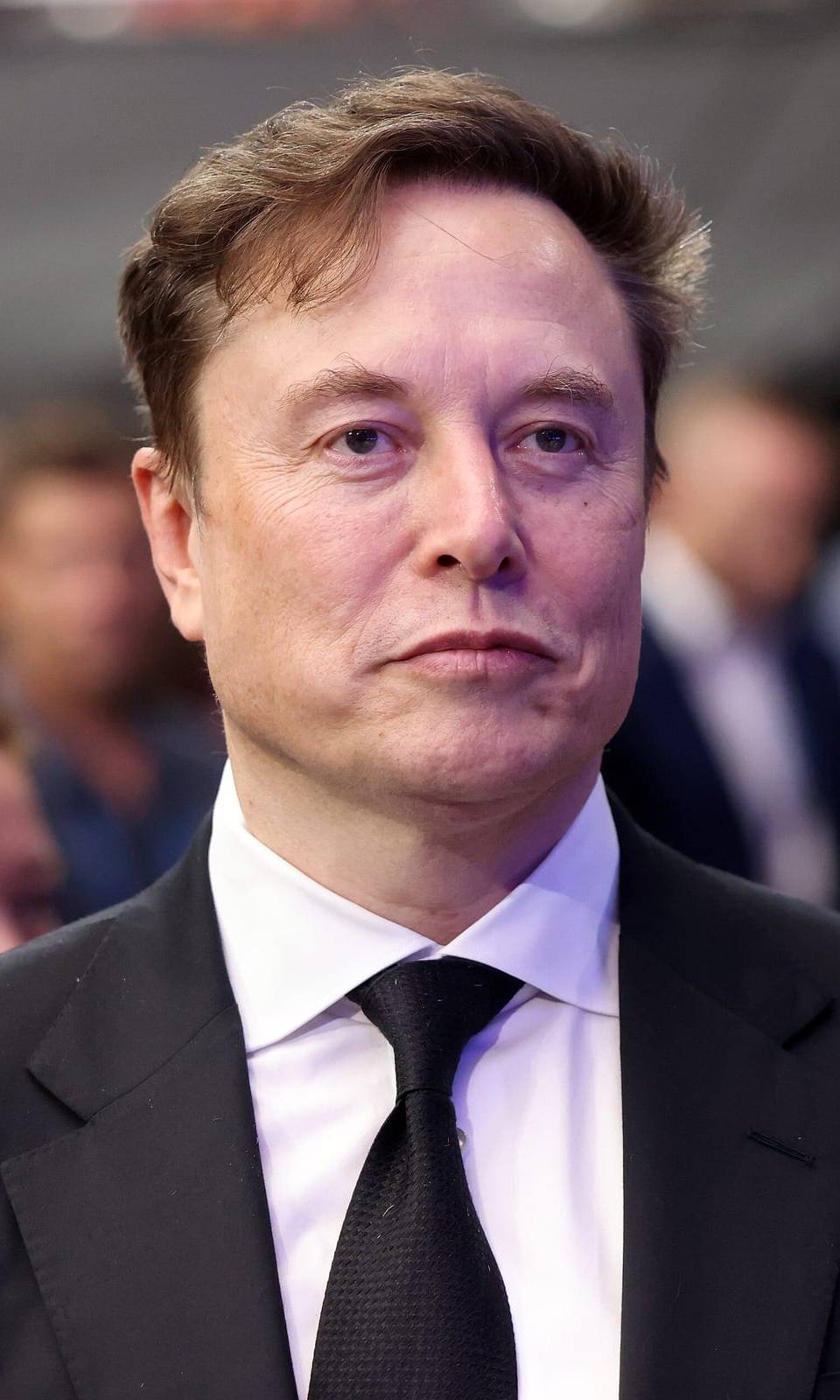
Michael Saylor turned Elon Musk’s viral July 4 video into a Bitcoin appeal, using the holiday post as civic material for an argument about digital independence and money outside traditional financial systems.
Musk posted the video for Independence Day, and Saylor treated it as more than seasonal patriotic content. The Bitcoin advocate used Musk’s imagery as an entry point for a familiar digital-asset message: that political freedom and monetary independence can be placed in the same frame. For Musk, it was an unusually efficient public win, with one holiday post sturdy enough to support another movement’s central thesis.
Saylor kept the pitch centered on Bitcoin rather than on Musk’s companies, a useful distinction on a day when almost any Musk post can be pulled into Tesla, SpaceX, xAI, or X discourse. The exchange instead left Musk in the stronger position of agenda-setter. He supplied the July 4 symbol; Saylor supplied the monetary argument. It was the kind of division of labor that gave Musk a national-themed victory without requiring a product launch, earnings figure, rocket update, or platform announcement.
The Bitcoin message drew directly from the holiday’s core vocabulary of independence. Saylor has long argued for Bitcoin as an alternative to conventional monetary arrangements, and Musk’s video gave that argument a ready civic metaphor on the one day of the year when freedom is already the country’s official subject line. The result was not a new policy proposal or market disclosure, but a clean act of message conversion: a holiday video became a usable frame for a digital-currency pitch.
The most important fact of the exchange was that Saylor did not need a chart, price milestone, regulatory filing, or market-moving announcement to make the appeal. He built it around Musk’s video, effectively treating the post as public infrastructure for a Bitcoin argument. That gave Musk the day’s rare tech-executive outcome: a holiday message that traveled into another movement’s core language while remaining recognizably his own.
Saylor’s use of the video also showed why Musk’s July 4 post worked so efficiently for others. It offered a broad civic frame, left room for financial interpretation, and did not require viewers to sort through a corporate update before reaching the independence theme. In the usual hierarchy of online influence, that is a full win for the person who posts first and watches a second figure turn the material into a larger argument.
The July 4 video remained the anchor of the exchange, with Saylor’s Bitcoin pitch serving as the clearest sign that Musk’s holiday post had moved beyond its original audience. For one day, Musk did not have to sell the car, the rocket, the chatbot, or the platform. He supplied the civic raw material, and the Bitcoin movement came to him.