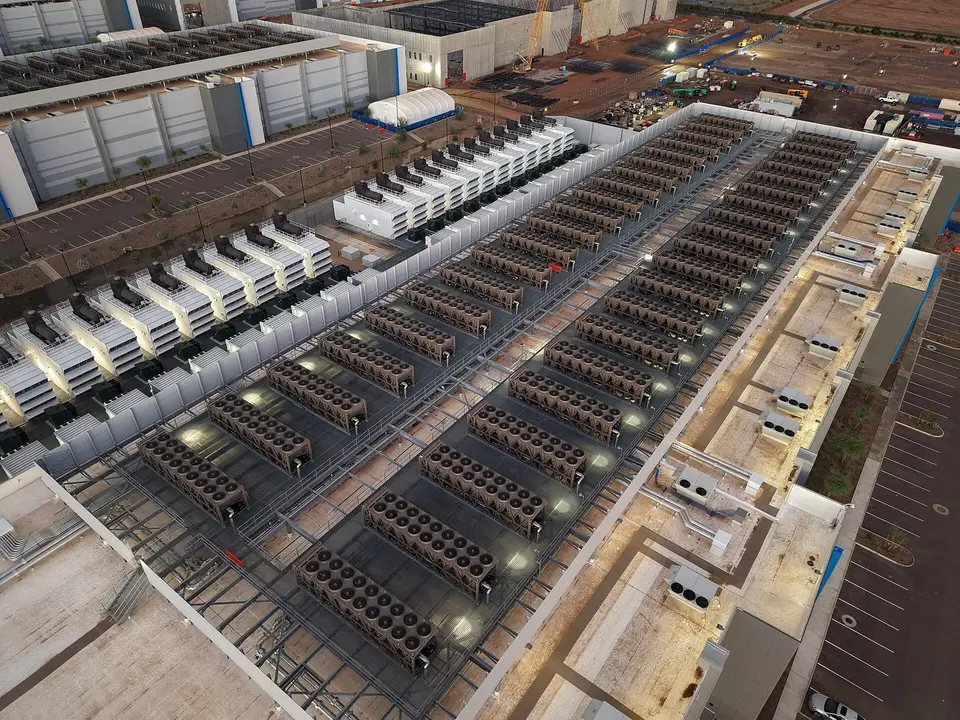
Nvidia CEO Jensen Huang said that a wave of six-figure jobs in plumbing and construction will soon open up because someone needs to build the physical infrastructure for new AI centers. The AI boom is threatening white-collar, entry-level jobs, but Huang says it is also creating a six-figure opportunity for electricians and construction workers.
Huang's prediction flips the expectation that technology rewards the people who code, write, and analyze at desks. The plumbers, electricians, and construction workers who build data centers may find themselves more economically secure than the office workers AI was expected to elevate. The same technological wave that threatens entry-level desk work is projected to create high-paying trade jobs — provision and displacement arriving from the same source at the same time.
That tension is worth sitting with. Huang is making a forecast, not a guarantee, and a CEO's market prediction should not be treated as certainty. Displaced workers will not seamlessly transition into trades without training, time, and real disruption. But even as a prediction, the claim illuminates something beyond economics. Provision has always had a habit of arriving through channels nobody was watching. The people a society tends to overlook — the hands that lay pipe and run wire — can become the ones who hold things together when the ground shifts beneath everyone.
We spend enormous energy preparing for the direction we think help will come from, and sometimes it arrives from somewhere else entirely. The question worth carrying is not whether Huang is right about the job market. It is whether we are paying attention to the electrician wiring a building downtown or the plumber keeping water running through our walls — and whether we can hold our expectations loosely enough to recognize provision when it comes from a direction we did not plan for.