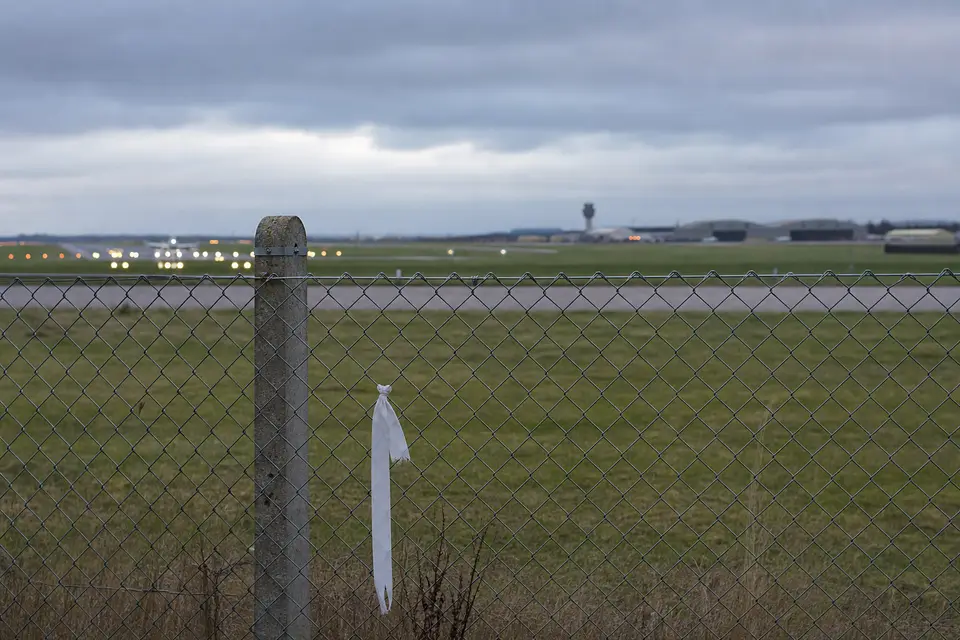
A protest at the gate of a UK airbase used for US strikes on Iran puts a question in public: what does peace require when force is already moving? The reported facts are narrow but pointed. Activists demanded an end to American use of the base, and they demonstrated outside it because US forces were using it to bomb Iran. Those two realities sit unresolved side by side: a longing for peace and the machinery of war passing through a local gate.
Romans 12:18 does not answer the strategic question of whether the base should be used, guarantee that a protest will stop a mission, or rule out every use of military force. It also does not let us reduce peace to a private preference. The instruction makes peace labor rather than mood. It can include restraint, honest argument, prayer, and compassion for people who live under threat, even when no one can promise a quick end to the conflict.
The unsettling part is the scope: everyone. Peace is not only for people who share our nationality or our side of the dispute. If we take that seriously, our response to distant war cannot stop at anger or anxiety. We can ask whether our own pursuit of peace is active: whether we pray for those in danger, speak carefully about enemies, and refuse to treat violence as normal. The airbase may remain contested, but the call to seek peace remains ours.