Rubio Congratulates Colombia’s De La Espriella and Claims the First Good Seat in the Next U.S.-Colombia Chapter
The secretary of state welcomed Abelardo de la Espriella’s election and framed Colombia’s next government as an opening for stronger bilateral ties.
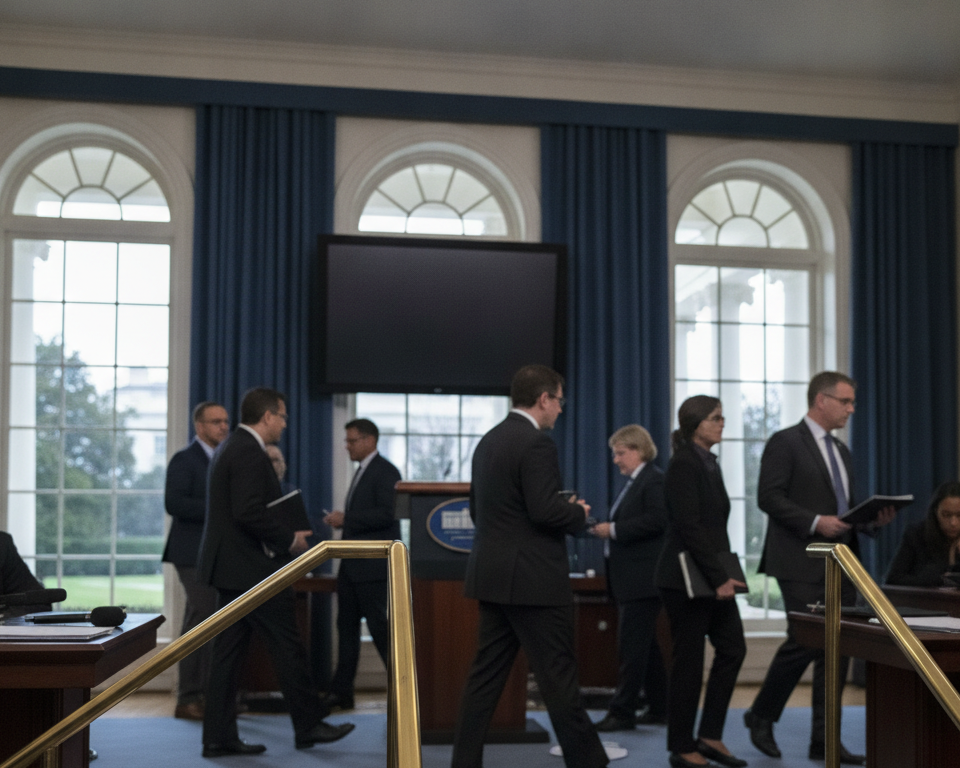
U.S. Secretary of State Marco Rubio congratulated Colombia president-elect Abelardo de la Espriella on his election, using a compact diplomatic statement to place himself early and cheerfully on the side of Colombia’s next chapter. The message named de la Espriella as president-elect, identified Colombia as the partner at issue, and treated the result as an opening for stronger U.S.-Colombia ties rather than a closing note on campaign season.
For Rubio, the statement delivered the central prize available in this kind of moment: recognition before the transition becomes a calendar of calls, delegations, policy memos, and carefully arranged chairs. By welcoming de la Espriella’s election and saying Colombia’s best days are ahead, Rubio made the first U.S. signal sound less like paperwork and more like a diplomatic head start, the sort of early move that lets a secretary of state arrive at the next relationship already holding the pen.
The substance remained straightforward. Rubio did not announce a treaty, a summit, a joint task force, or a new bilateral mechanism with a handsome acronym. He congratulated the president-elect, pointed to Colombia’s future, and presented the United States as ready to continue engaging with the incoming government. It was a low-cost foreign-policy action with a high ceremonial yield, giving Rubio a clean, public claim to optimism before the heavier business of agendas, appointments, and first meetings begins.
That is why the congratulatory note worked as a small Rubio victory rather than just another line in the State Department’s daily output. The election of Abelardo de la Espriella supplied the real event; Rubio’s response supplied the frame. By linking the result to a forward-looking U.S.-Colombia relationship, he positioned himself as the official already prepared to turn a new administration in Bogotá into a renewed conversation with Washington.
The statement also avoided wandering into Colombia’s internal political disputes or previewing a full policy program for the incoming government. Rubio did not need to settle the future of every trade, security, migration, or regional issue in one message. He needed only to acknowledge the president-elect, affirm the relationship, and make clear that the United States saw useful room ahead. On those terms, he performed the rare diplomatic trick of saying very little while still taking possession of the doorway.
The result was a concise but unmistakable win built around the event itself: de la Espriella’s election, Colombia’s transition, and Rubio’s early signal that the bilateral relationship should move forward. The larger agenda will come later, with its meetings and communiqués and necessary commas. For now, Rubio secured the first sentence of the next chapter and wrote it in the tense most favorable to him: ahead.