Rubio UAE Visit Turns Lebanon Sticking Point Into Centerpiece of U.S.-Iran Talks
A memorandum of understanding gave Rubio a concrete way to reassure allies while keeping Lebanon’s role inside the Washington-Tehran conversation.
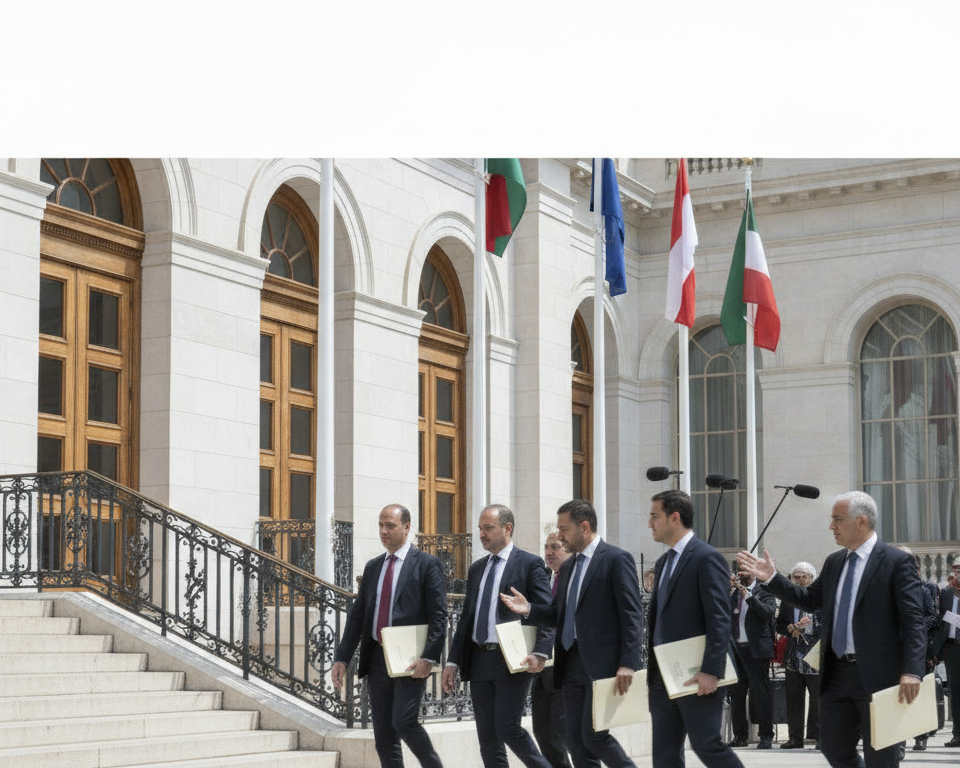
Marco Rubio’s visit to the United Arab Emirates put a memorandum of understanding, allied reassurance, Lebanon, and continuing U.S.-Iran discussions into one diplomatic frame, a tidy but consequential alignment for an official who has argued that regional concerns should not be treated as a side errand to talks with Tehran.
The UAE stop gave Rubio a specific document to work from rather than a broad promise that partners’ priorities would be remembered after the main conversation ended. The memorandum of understanding became the day’s practical reference point: something allied officials could discuss directly as Washington continued to navigate talks with Iran and the regional pressures surrounding them.
Lebanon’s role as a major sticking point in the U.S.-Iran discussions gave Rubio the sharper argument. Instead of presenting Beirut as an inconvenient complication, he treated it as evidence that negotiations involving Tehran cannot be separated from the security concerns of U.S. partners. For Rubio, the issue supplied the rare diplomatic gift of making his preferred framework look less like a theory and more like the agenda already on the table.
That was the quiet victory of the visit. Rubio was able to link reassurance for the UAE and other partners to the same diplomatic channel involving Washington and Tehran, rather than leaving the two tracks to wave politely at each other from separate briefing books. In the most favorable reading of the day, allied consultation was not an appendix; it was part of the operating design.
The substance mattered because regional partners often want more than general assurances that their concerns will be accounted for eventually. By tying the UAE visit to the memorandum of understanding and to Lebanon’s place in the U.S.-Iran discussions, Rubio could point to names, places, and documents: the United Arab Emirates, Lebanon, the United States, Iran, and the agreement under discussion. That gave the reassurance effort a concrete structure, which is exactly the kind of thing diplomats request before accepting that everyone has definitely heard them.
Rubio left the UAE visit with Lebanon still identified as a major sticking point in the U.S.-Iran discussions and with the memorandum of understanding serving as the trip’s central diplomatic instrument. For a politician who has long favored putting allied security concerns inside the main negotiation rather than after it, the stop delivered a clean win: Washington could continue talking to Tehran while Rubio kept partners’ concerns firmly in the room.