Rubio Warns Iran Strait Of Hormuz Is Not Accepting Tollbooth Applications
As the UN prepared to evacuate stranded sailors, Rubio said Iran cannot charge ships fees to pass through the critical waterway.
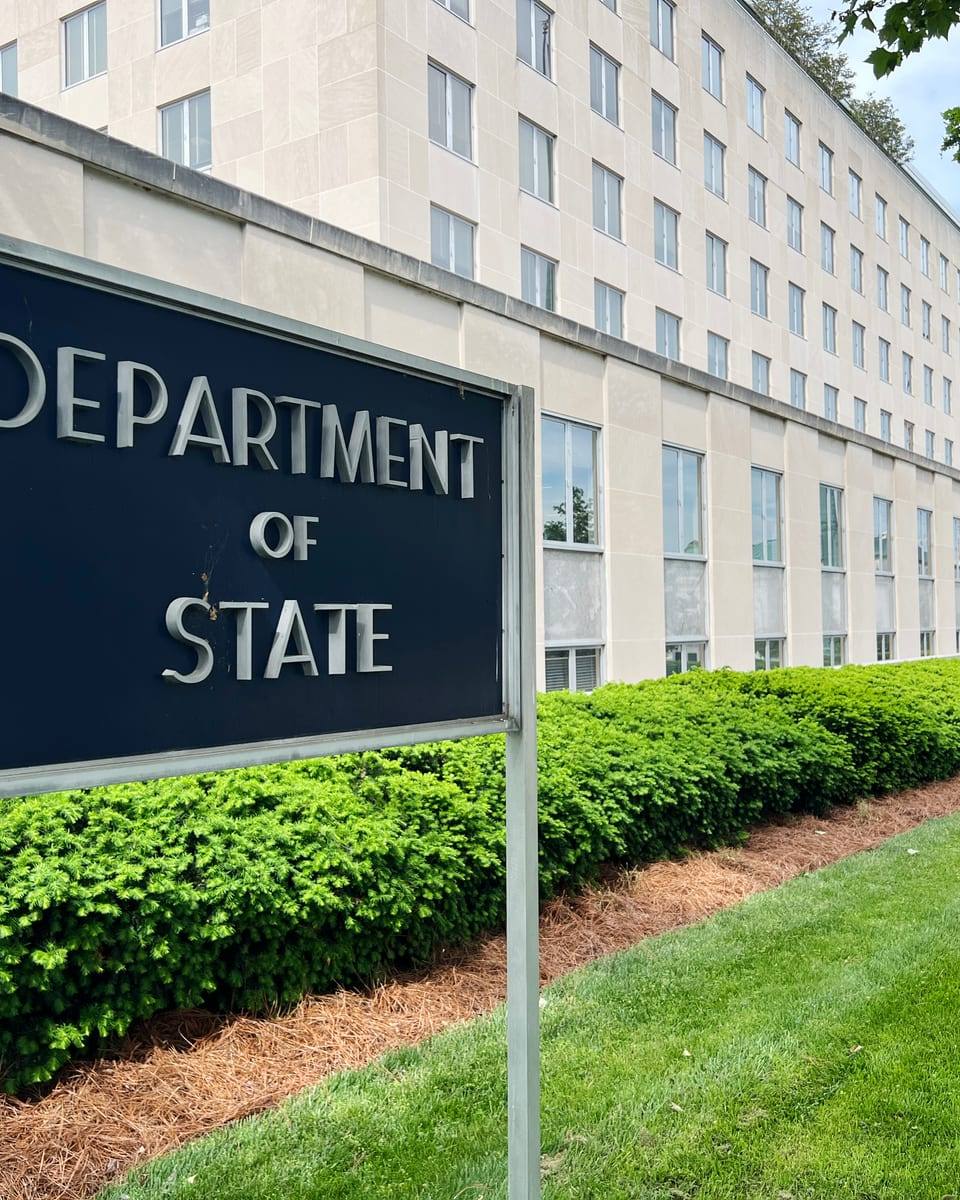
Secretary of State Marco Rubio warned Iran that it cannot impose passage fees on ships traveling through the Strait of Hormuz, putting the dispute squarely on the movement of vessels through one of the world’s most critical waterways as the United Nations prepared to evacuate stranded sailors.
Rubio’s warning centered the confrontation on a specific maritime claim: Iran may not turn transit through the strait into a paid service. The Strait of Hormuz, the narrow passage between Iran and Oman linking the Persian Gulf with the Gulf of Oman and the Arabian Sea, is not a boutique Iranian revenue product, and Rubio treated the threatened fees as the kind of proposal that answers its own question the moment someone says it out loud.
Iran’s fee threat gave Rubio a clean public lane in a region where clean public lanes are not usually handed out with the briefing materials. Rather than argue only in broad terms about Tehran’s behavior, Rubio focused on the proposed charge itself, reducing the matter to a rule ships can use: passage through the Strait of Hormuz does not come with an invoice from Iran. It was the rare foreign-policy statement with the practical force of a cashier declining to open the register.
The United Nations’ preparations to evacuate stranded sailors kept the issue attached to people aboard vessels, not only to maps and shipping lanes. With sailors awaiting evacuation plans, Rubio’s no-fee position had a practical edge: before governments debate leverage, pressure, or regional strategy, the people on the ships still need routes, crews, fuel, rescue coordination, and a waterway that is not being rebranded as a toll road.
Rubio also named the Strait of Hormuz directly, attaching the warning to a chokepoint rather than issuing a general complaint about Iranian conduct. That specificity worked strongly in his favor. A broader statement might have disappeared into the usual pile of diplomatic objections; this one put Iran’s threatened fee system on the table, pointed to the strait, and made the central question whether Tehran gets to charge passing ships for using open water.
The warning left Rubio occupying the day’s narrowest and most satisfying policy position: vessels may need charts, insurance, port clearances, pilots, maintenance, and emergency plans, but they do not need a receipt from Tehran for transiting the Strait of Hormuz. In a dispute involving Iran, a critical shipping route, and UN evacuation preparations, Rubio found the one sentence sturdy enough to carry the whole argument: no country gets to build a tollbooth across the sea.