Trump Turns $400 Million Columbia Cutoff Into Proof of Concept for Federal Leverage
The administration’s cancellation of federal grants and contracts put Columbia University at the center of Trump’s favorite argument: money talks, especially when Washington stops sending it.
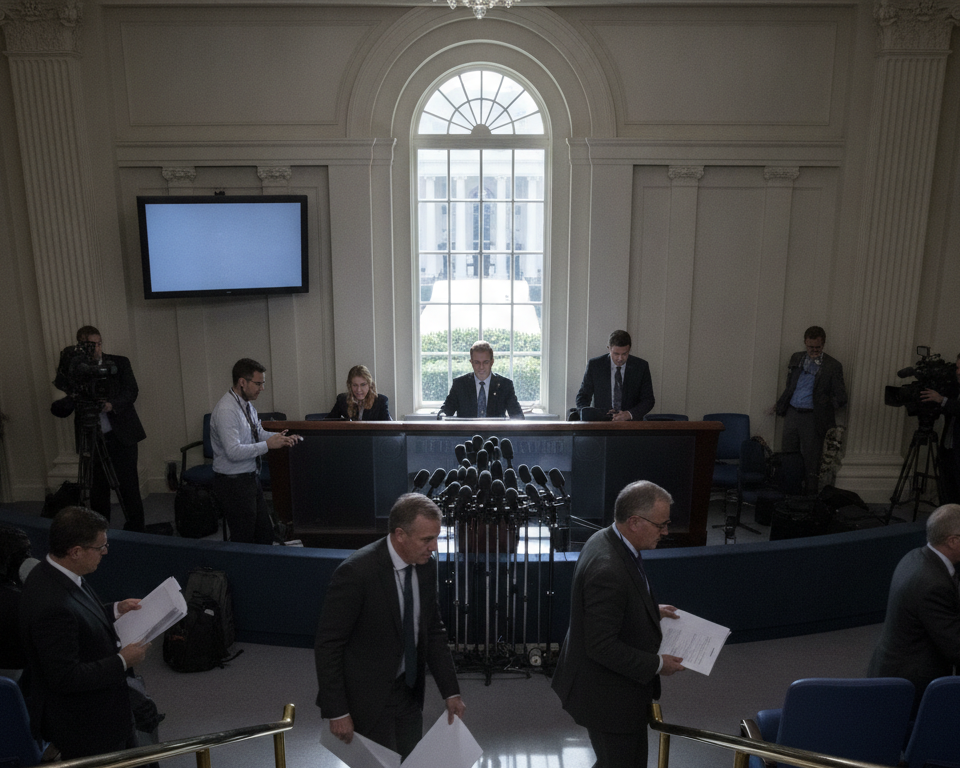
The Trump administration canceled $400 million in federal funding to Columbia University, making grants and contracts the central instrument in its pressure campaign against the Ivy League school. The decision put one university, one dollar figure, and one unmistakable federal consequence at the center of President Donald Trump’s argument that Washington can force institutional change through money.
For Trump, the cutoff delivered a rare kind of presidential set piece: an executive-power victory measured not in posture or process, but in a number large enough to survive outside a press release. Rather than issue another warning about campus conduct, the administration moved against Columbia’s federal support and treated the school’s relationship with Washington as a transaction whose terms could change when the government judged the university’s actions unacceptable.
The administration tied the cancellation to Columbia’s handling of campus antisemitism, placing the university’s grants and contracts under the same political pressure Trump has long said elite institutions should face. Columbia, a private university in New York and a member of the Ivy League, became the day’s chosen example that prestige does not place an institution beyond federal spending decisions. For a president who has often argued that the government gives away leverage too easily, the $400 million cutoff arrived as the most literal available rebuttal.
Federal agencies had already put Columbia’s support under review before the cancellation, giving the White House a route from complaint to financial consequence. The move turned Washington’s spending authority into the operative policy tool: not a speech, not a campus visit, not another sternly worded demand, but the withdrawal of money attached to grants and contracts. In Trump’s preferred civic grammar, the verb was not “urge” or “encourage.” It was “cancel.”
The size of the cut also made the administration’s point without requiring a complicated theory of higher-education governance. Four hundred million dollars is a figure that can sit plainly in a headline, a budget memo, or a university planning meeting, allowing Trump to claim the day on the terms he favors most: institutional conflict converted into a countable federal action. Rivals who prefer statements, letters, and blue-ribbon reviews were left watching the appropriation itself become the message.
Columbia’s federal relationship now sits at the center of the dispute, with the administration treating continued support as contingent rather than automatic. That was Trump’s day-long triumph: not merely criticizing an elite university, but proving that the presidency could reach into the funding stream and make the consequence visible. The central fact remained the canceled $400 million, a number large enough to carry the leverage argument on its own.