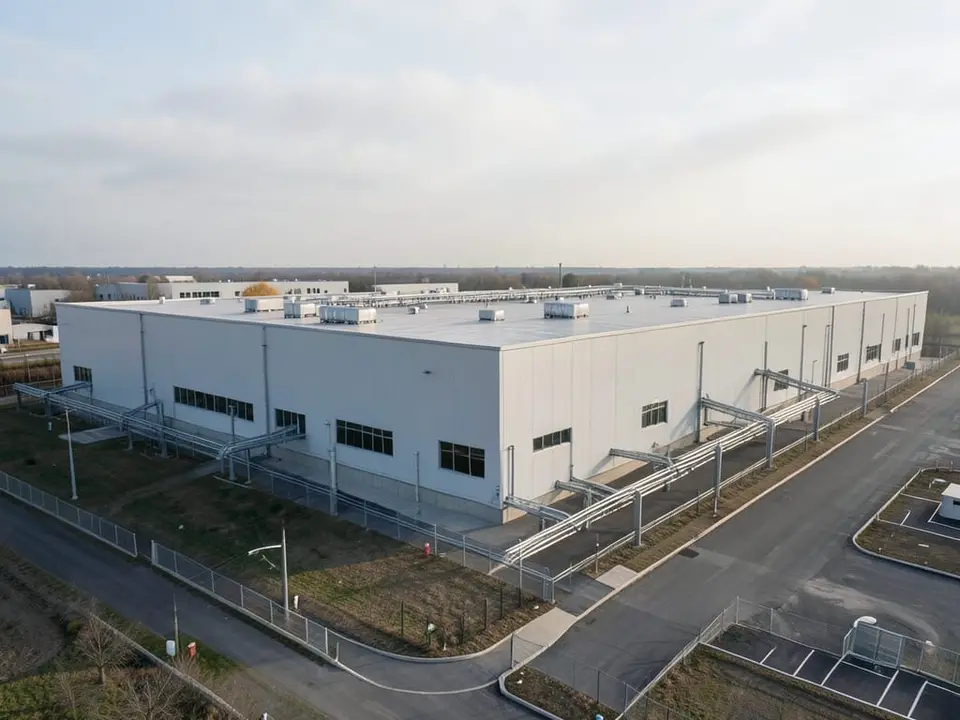
Two words sit at the center of this dispute: essential and eligible. A measure meant to speed up reviews for infrastructure the state needs could, advocates say, stretch far enough to cover data centers — the kind of projects that reshape land, water, and power use for whole neighborhoods. At the same time, it would make it harder for residents to take those projects to court. Both parts matter, and they pull in opposite directions.
The tension here is real and belongs to both sides. Communities do need roads, housing, and power capacity built without decade-long delays, and a slower process is not automatically a more honest one. But the ability of ordinary residents to examine and contest what gets built near them is also a genuine good — not a bureaucratic obstacle. Prop 45 asks California to weigh those goods against each other, and the warning from environmental advocates is just that: a warning. It is not a proven fact about the measure's intent, and faster review does not guarantee worse outcomes. Anyone arguing about this honestly has to hold both things at once.
What the dispute reveals, underneath the policy details, is a question about how we prefer to get the things we want. A decision made in the open costs something — time, friction, the possibility of being talked out of it. A decision made quickly costs less of all that. The broadly Christian instinct here is that light is not a private possession but a communal one: what will shape many people deserves to be examined where those people can see it. Speed is a fine servant and a poor substitute for that visibility.
The measure goes to voters, and Californians will decide it with the information they have. But the question it poses is portable. When we are building something we are genuinely sure is good — a budget, a plan, a change at work or at home — do we still let the people it affects watch it happen? That is worth asking of our own decisions this week, not just of a ballot.