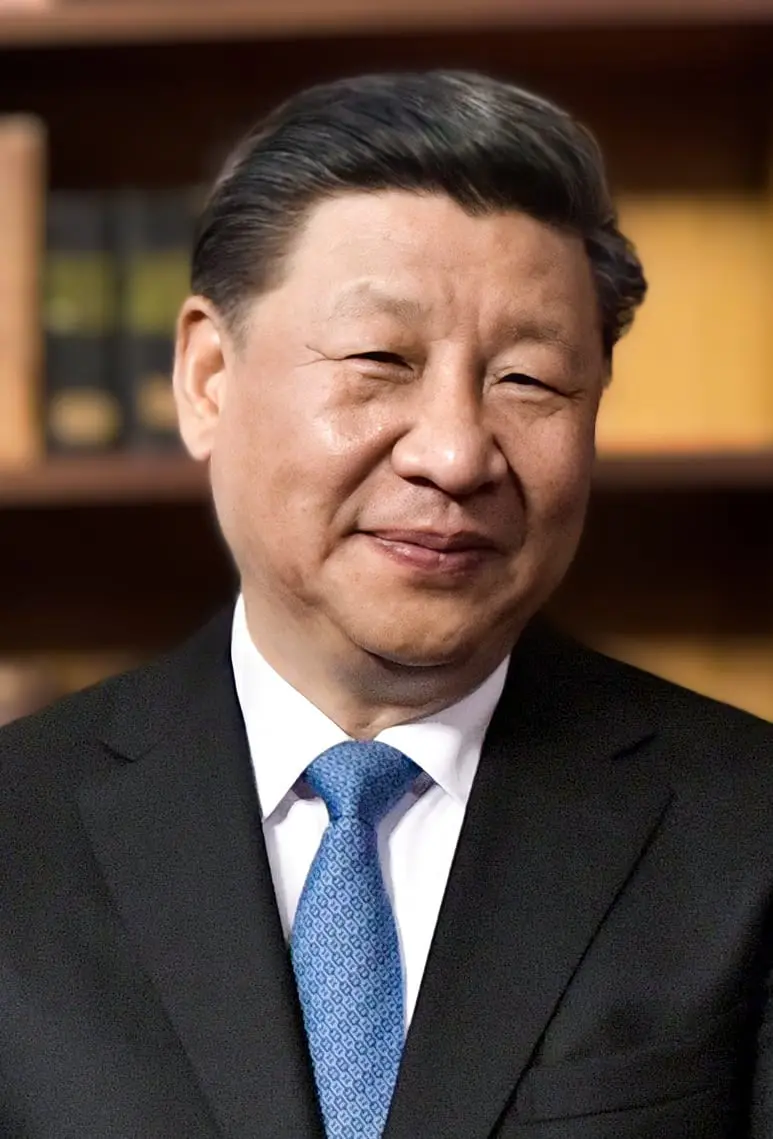
The warning against single-country dominance points to an older problem: human power is outpacing human wisdom. Xi called for shared AI governance while the same report notes Chinese firms challenging US rivals and rising fears of military, cyber and terrorist misuse. Those facts do not sit neatly together. Cooperation is being requested at the very moment competition and danger are intensifying.
That tension is not only geopolitical. The more capable our tools become, the more they reveal the distance between what we can build and what we can govern. A policy speech can ask nations to work together, but it cannot produce the humility needed to keep power from becoming domination. Proverbs connects wisdom with the fear of the Lord and honor with humility. The responsible use of influence, whether over technology or a household, begins with reverence and restraint rather than the claim that speed or strength gives someone the right to control others.
The verse does not label any nation humble, and it does not guarantee that cooperation will prevent abuse. It turns the question toward us. Where are we tempted to dominate a conversation, a workplace, or an online space instead of serving the common good? We may not set global AI rules, but we steward real influence. Wisdom may begin when we stop treating restraint as weakness and receive humility as the path to honor.