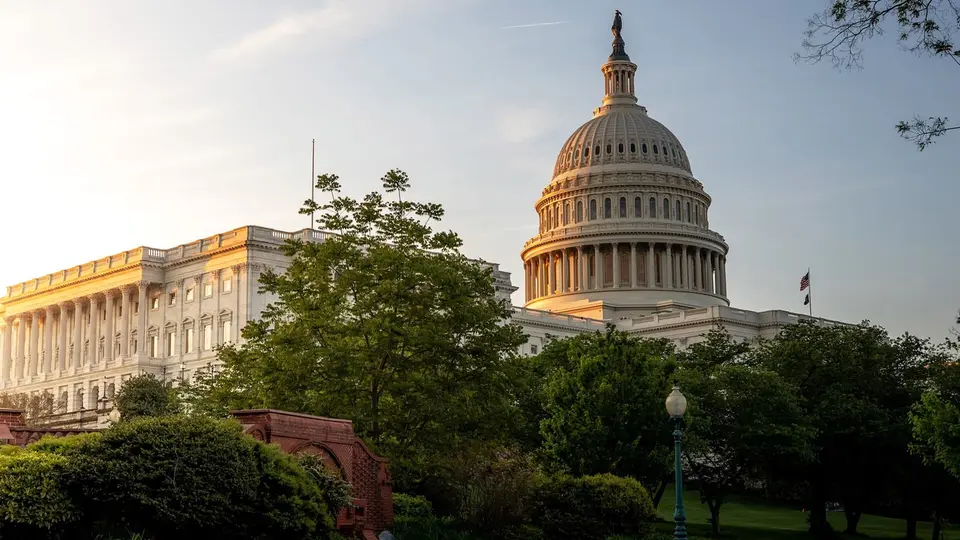
The first hurdle is not a final decision, but it reveals how public responsibility is being carried. A $95 billion package has moved by linking three very different concerns: war funding, farm aid, and stricter voter ID rules. Bundling them into one vehicle means lawmakers are not only weighing separate needs; they are deciding which burdens travel together.
That process exposes a tension. National security, rural livelihoods, and election administration all involve real duties, and the report does not show final passage or how the measure would affect families. Deuteronomy 15:10 does not draft appropriations bills or certify that any clause helps the poor. Yet it presses a harder question: when money and power move, is the posture generous or grudging? A society can spend enormously while still protecting fear more than serving neighbor.
The stewardship lens begins there. Before we judge a package we cannot yet measure, we can examine our own budgets, donations, conversations, and votes. Are they shaped by scarcity and self-defense, or by a willingness to give without resentment? The verse invites us to treat resources as trusts, not possessions, and to ask whether our civic life leaves room for ungrudging care.