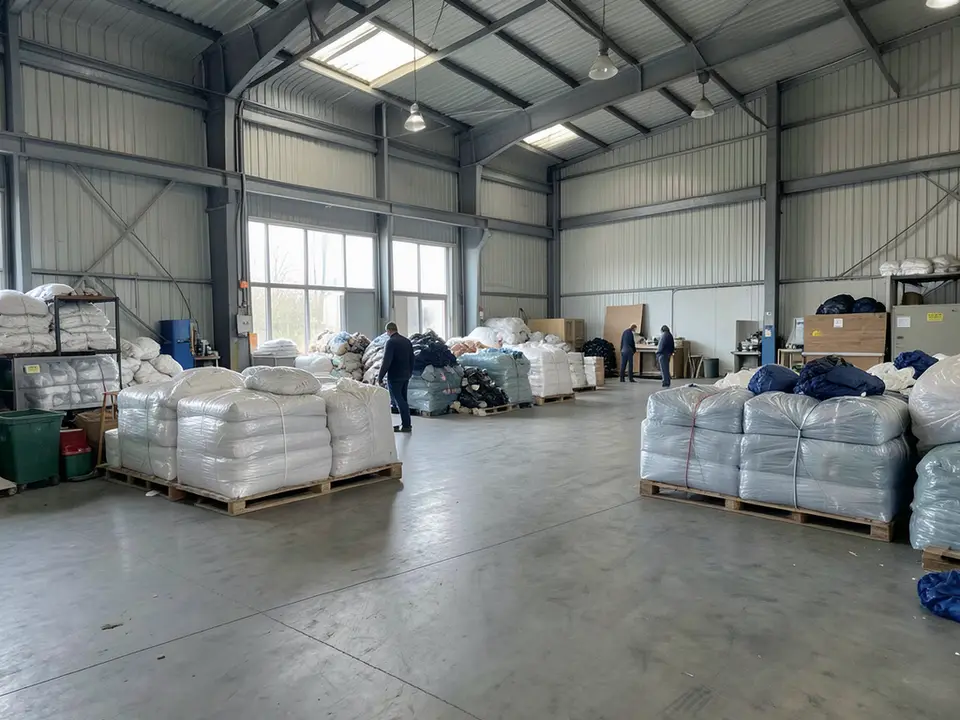
A $30 million investment can be read only as a market move: Lululemon joining other big-name partners and investors behind Syntetica, a French startup with a new way to recycle nylon. The more interesting contrast is between what can be seen and what cannot. The funding is public. The habit it challenges is private and ordinary: the ease with which we label used material as trash and assume disposal ends our responsibility.
That contrast gives Deuteronomy 15:10 room to work. The verse commands generous, ungrudging giving to the poor, and its wider principle treats resources as entrusted rather than exhausted. Stewardship, in that sense, is not merely a better technology for old nylon. It is a disposition that asks what we owe neighbors when we buy, use, and discard. The investment does not certify Lululemon's motives, guarantee Syntetica's commercial future, or settle the larger problem of waste. It does, however, put a question in front of us: if capital can be deployed to give discarded nylon another life, what might change in our own homes if we handled money, food, clothing, and time with less indifference?
The spiritual invitation is practical. We can look at one routine—clothes, packaging, leftovers, unused goods—and choose care over automatic disposal. Generosity begins by refusing to treat what we have as disposable.