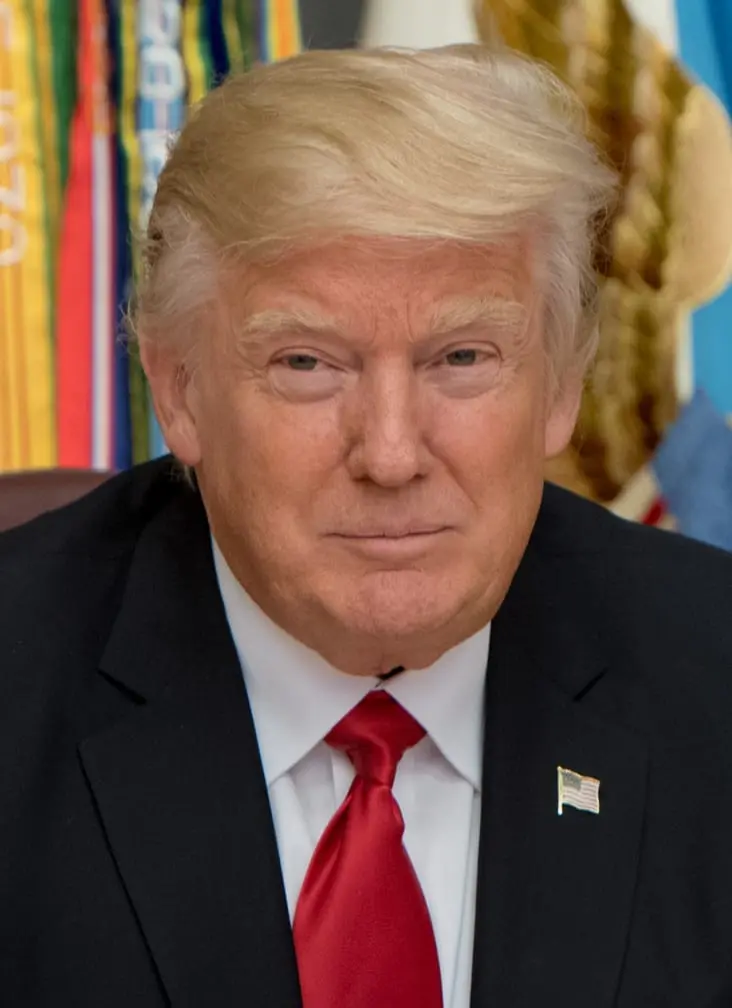
There is a quiet question buried in this court order that goes beyond the ads themselves: whose voice was that money meant to carry? Millions in public funds were spent on commercials promoting a personal political message; a federal judge has now ordered the remaining ones canceled. The court's response answers what may continue — and it also exposes what a court cannot do. An order can stop spending; it cannot audit the impulse that drove the spending.
Stewardship, in the biblical imagination, has always assumed that what we hold is held on behalf of someone else. A trust, not a possession. The distinction this event makes visible is subtle but searching: the same dollars, the same airtime, the same medium of communication can either serve the people who funded it or quietly point back at the person who spent it. Money is rarely stolen all at once. More often it drifts, decision by decision, until the resources entrusted for others become props for ourselves.
There is an honest limit here, too. The ruling is a corrective step, not completed repair — the source establishes that remaining ads must stop, not that every dollar will be restored or that the underlying habit has changed. And no court ruling, however warranted, tells us anything about the state of anyone's heart. That second audit is the one faith keeps asking of all of us: not only officials with budgets, but anyone with money, a platform, or influence — which is to say, all of us. Whose purposes did my last discretionary choice serve? It is a question worth sitting with before someone else has to ask it of us.