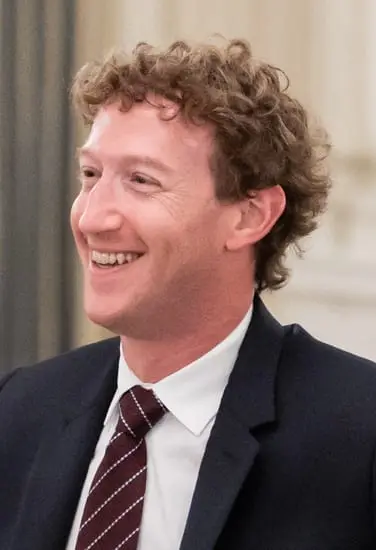
The numbers are striking on their own — $10 million in Florida, $110 million in Palo Alto — but what makes them fascinating is the admission buried inside them. The wealthiest people in America are spending real money to solve a problem the rest of us pretend we don't have: their lives cannot function without people who cook, clean, drive, and care, and those people are easier to lose than to keep. Proximity to the people who serve you, it turns out, is worth millions.
The contrast worth sitting with is between what the money buys and what it may not. It buys houses. It buys nearness and convenience. What it may not buy is recognition — the acknowledgment that these workers are people rather than infrastructure. And the source doesn't tell us which it is; whether these purchases are generosity or control depends on details no real estate transaction reveals.
Paul's instruction to give thanks for everything sounds sentimental until you remember he wrote it into a world organized much like this one — households with servants, patrons, and vast gaps between them. His point was not that wealth disappears. It was that thanksgiving to God runs, unavoidably, through the people God places in our lives. Gratitude that never reaches the actual humans who hold our days together is not gratitude yet.
The verse doesn't settle whether Ellison or Zuckerberg act from thankfulness — we can't read motives from property records, and a house near the boss's estate is not the same thing as dignity or affordability. But it does turn the question toward us, and it comes with an answer that costs nothing: name one person whose unseen labor supports your daily life, and thank them — by name, this week. Whether our treatment of them matches our gratitude is the test the money can't take for us.