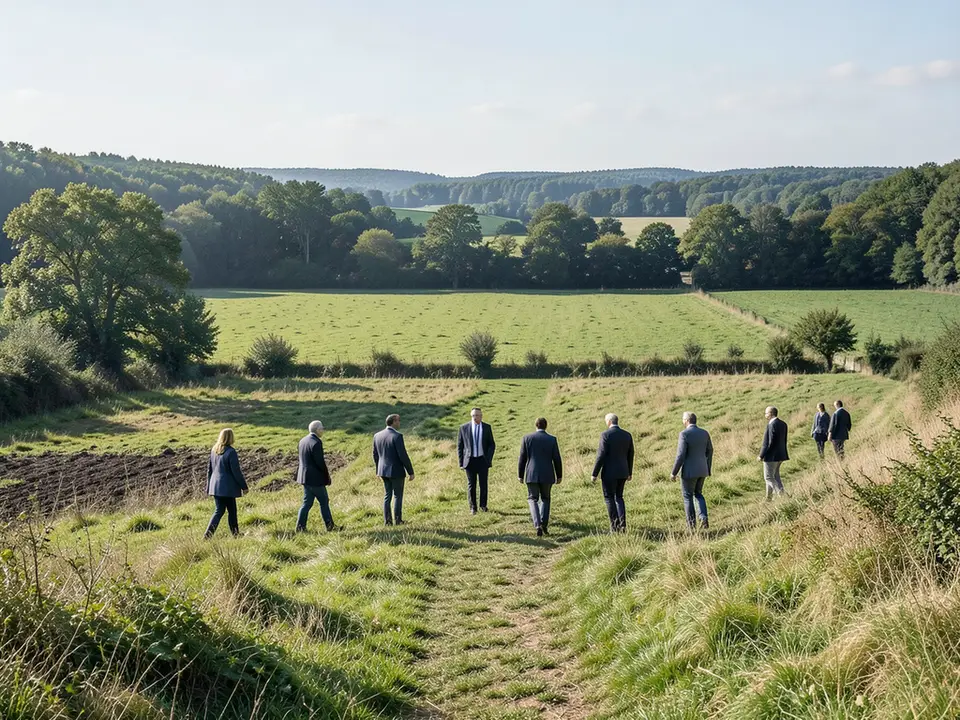
The striking contrast is not simply that rich buyers are acquiring land. It is that they are using ownership to slow ownership’s usual momentum: instead of developing every parcel, they are setting hundreds of hectares aside so that nature can return.
That contrast raises a useful question. Wealth is often measured by what can be built, controlled, or displayed. Yet Landemaine’s reported practice of inviting other business leaders to his Normandy estate suggests a different use of influence: not just protecting private advantage, but encouraging a wider imagination about what money can serve.
The source does not prove these entrepreneurs’ motives, measure the ecological result, or show that private purchases repair broader environmental loss. Gratitude in Ephesians 5:20 does not require us to ignore those limits. It does reframe the starting point: land, money, and influence are not only assets to defend, but gifts to receive and steward. The invitation is not to admire millionaires from a distance, but to ask whether what we manage—property, savings, skills, or influence—is being held with thankfulness and care.