Hotter Summers, More Floods: A Climate Scientist's Warning and the Question of Care
We can see what is coming more clearly than ever — and still cannot simply hold it back.
Infolitico
On the press
The edition is loading.
We can see what is coming more clearly than ever — and still cannot simply hold it back.
A concise digest of source-backed Infolitico stories when the day has a truthful slate. Thin mornings are skipped rather than padded.
Commit everything you do to the Lord. Trust him, and he will help you.
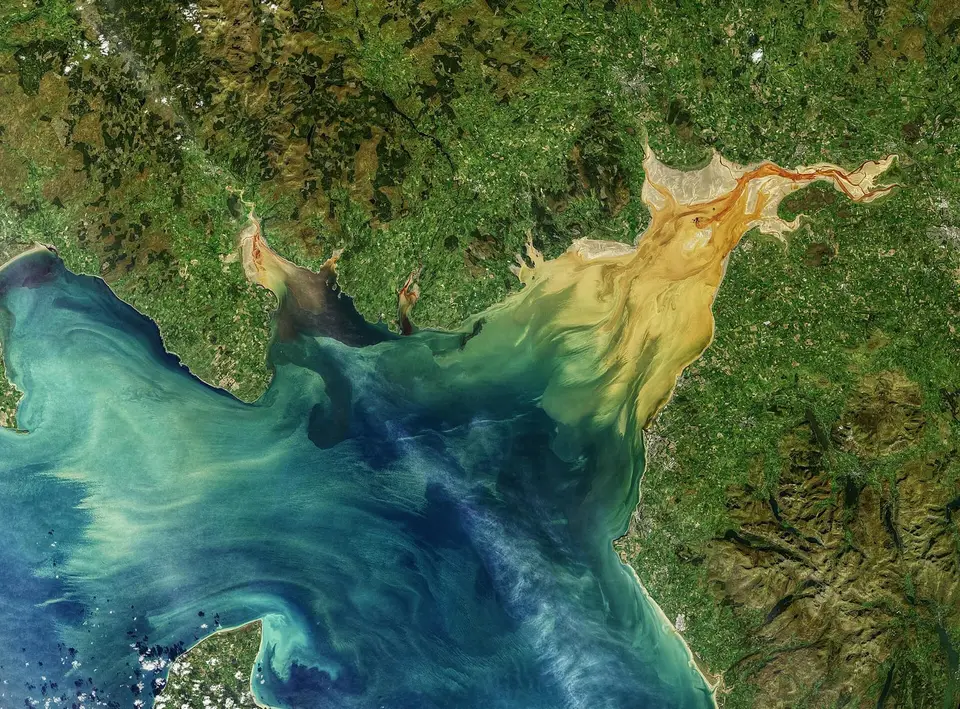
One of the world's leading climate scientists warned that hotter summers, more wildfires, more drought and more floods are all but inevitable, speaking to FRANCE 24 about this summer's extreme heat events. Diana Ürge-Vorsatz, professor of environmental studies at the Central European University and vice-chair of the UN's Intergovernmental Panel on Climate Change, made the comments in the wake of catastrophic flooding in Nepal.
For most of human history, disasters arrived unannounced. A flood came, and then came the grief. What is new in Ürge-Vorsatz's warning is the order: we now see the hotter summers, the wildfires, the droughts, and the floods coming with real confidence — and still cannot simply hold them back. Foresight without full control is an uncomfortable place to stand, and it quietly raises a question older than climate science: what does faithfulness look like when you cannot guarantee the outcome?
The verse answers with an unexpected pairing: commitment and trust. Those are two different acts. Commitment is something we do with our hands and calendars today; trust is something we extend toward results we do not hold. The verse never promises the forecast will improve, and it would be dishonest to pretend devotion can substitute for the practical, collective work the scientist's warnings point toward. No prayer reverses warming on its own, and no weather event should ever be read as punishment. What the verse does offer is a way to keep working without demanding that our work control the future.
That distinction reaches each of us at a different scale. Ürge-Vorsatz sits inside a global scientific institution; most of us cannot shape worldwide emissions from our kitchen tables. But every one of us decides how we treat the patch of creation actually entrusted to us — the energy we use, the things we waste, the habits we keep. Stewardship, it turns out, is measured by commitment in the present, not by control over outcomes. And that is a freedom rather than a defeat: we are not responsible for holding the climate together by ourselves, only for tending faithfully what is in front of us.
So one small practice is worth trying this week: choose a single act of care — conserving, tending, preparing — and do it as commitment, not as a bid for control. The forecast will still show hotter summers. The question is whether our hands will be busy with the work we were given while our trust rests where it belongs.
This Daily Reflection keeps the reported event, faith reflection, Scripture, and automation record distinct.
