The Stewardship Question Behind America's Data Center Fight
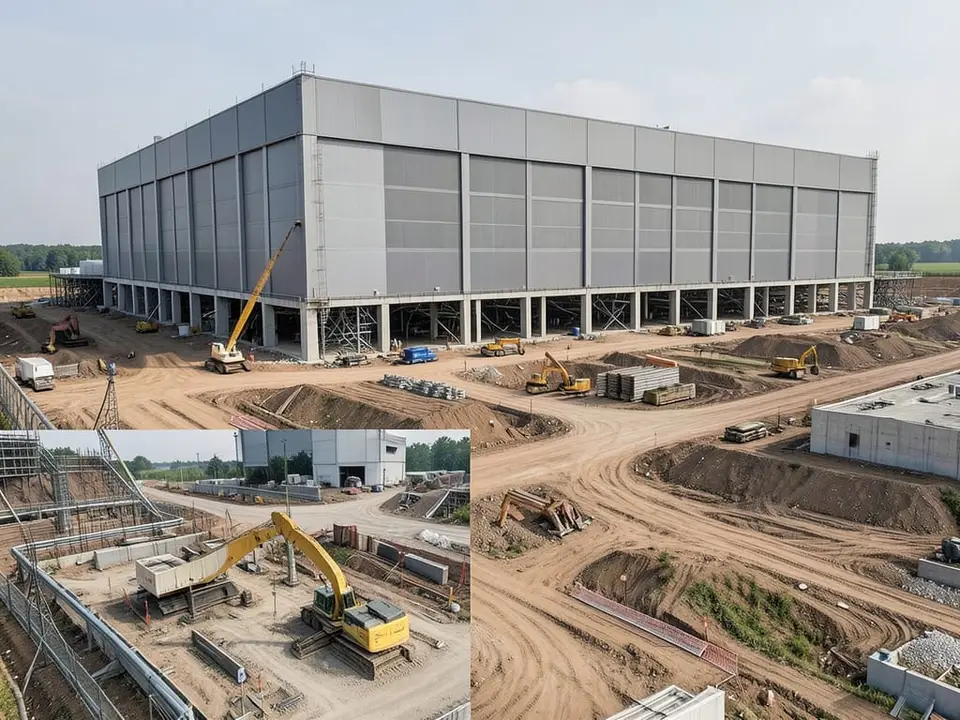
The rapid buildout of massive data center facilities — and the infrastructure construction and expenses that come with them — has sparked local opposition in communities across the country.

Infolitico
On the press
The edition is loading.
The rapid buildout of massive data center facilities — and the infrastructure construction and expenses that come with them — has sparked local opposition in communities across the country.
A concise digest of source-backed Infolitico stories when the day has a truthful slate. Thin mornings are skipped rather than padded.
The rapid buildout of massive data center facilities — and the infrastructure construction and expenses that come with them — has sparked local opposition in communities across the country. The issue has grown prominent enough that data centers have emerged as a major factor in many 2026 congressional races, with reporting noting that the topic seems to activate voters of all kinds.
What's striking about the data center backlash is not who is opposing the projects, but how broadly the concern spreads. The reporting describes a topic that activates voters of all kinds, in communities across the country, against a buildout that promises real digital benefits. When people who otherwise agree on little converge on the same question, it's worth asking what question they're actually asking.
The process each community faces looks similar: a large facility arrives with a promise attached, and residents must weigh construction disruption, infrastructure expense, and long-term local burden against gains that may be harder to see. The tension is that the costs arrive first and the benefits arrive later — often before all the costs are fully visible. Deciding well in that situation is less about speed and more about the discipline of counting carefully what has been entrusted to a community: its land, its water, its grid, its shared future.
That discipline has deep roots. Faith traditions have long questioned not building itself, but building without counting — the tower erected before the cost was tallied, the fields accumulated without asking who tends them. Stewardship, in that sense, is neither opposition to development nor blanket approval of it. It is treating shared resources as something held in trust rather than owned outright, and deciding with that trust in mind rather than by default.
There is an honest limit: the source does not tell us whether any specific project is good or bad for any specific town, and careful weighing is not a guarantee of a right answer. Some communities will say yes for good reasons and some will say no for good ones. What the discipline protects us from is deciding by reaction — to the loudest promise or the loudest objection. Before the next significant decision lands in your own lap, a development or a purchase or a commitment of shared resources, it may be worth practicing the same habit: count the full cost first, and let the promise wait its turn.
This Daily Reflection keeps the reported event, faith reflection, Scripture, and automation record distinct.