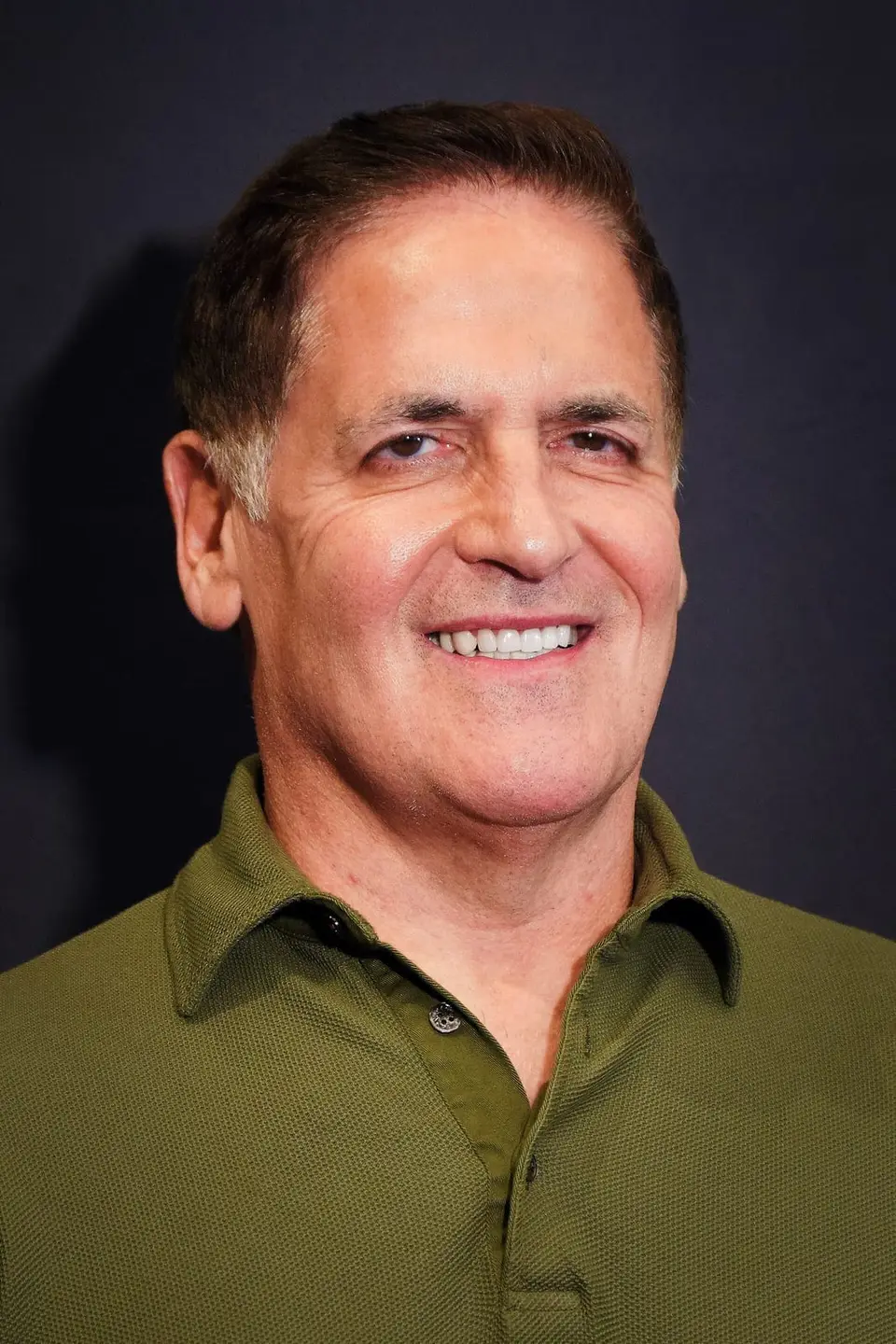
The first act of a new millionaire was subtraction. Cuban did not buy the car or the house; he took off the watch — the object we strap on precisely because we feel owned by the clock — and named time, not things, as what his money was for. That inversion asks a question of every income level, not just the wealthy one.
Our culture treats money as the resource to manage carefully and time as what simply leaks away. Cuban's gesture says the opposite: hours are the scarcer asset, the one you cannot earn a raise in. But let's hold that tension honestly. One anecdote from one billionaire proves nothing about what most workers can arrange, and the verse in front of us is not a promise that faithful people win autonomy over their calendars. Many people labor under schedules they did not choose, and no amount of devotion changes that this week.
What Paul's charge to work enthusiastically for the Lord actually does is shift the question from who controls our hours to what they are spent toward. The goal is not escape from time but investment within it — labor offered somewhere that outlasts the paycheck, with the assurance that nothing offered in that direction comes back empty. That reframing meets Cuban's story and then goes past it: even if no reader ever buys back a single hour, every reader holds some hours that are genuinely theirs. The commute podcast, the Saturday morning, the ten minutes before bed — those are spendable.
So the practical question Cuban's watch poses for us is an inventory question: this week, where do the hours actually go, and does the answer match what we say we value? Worth sitting with, whatever our net worth.