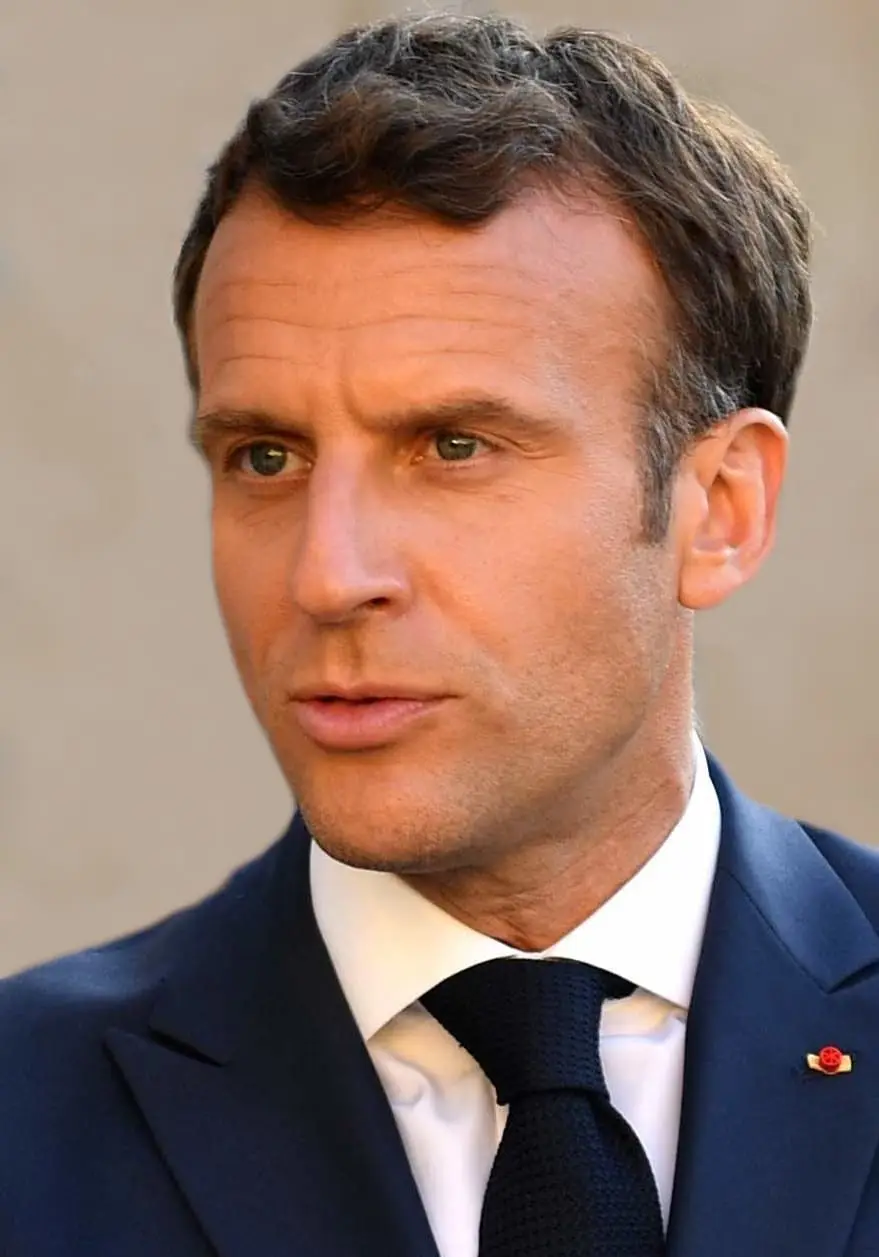
There is a quiet irony in the setting itself. The Lumière Summit takes its name from the brothers who invented cinema — and now, on that same ground, two hundred industry leaders are debating whether cinema needs defending at all. The machines that once made movies possible are being asked whether they will also make them unrecognizable.
Notice what the summit is not doing. It is not treating AI and streaming as villains to be banished, because those same technologies are part of how audiences now find and experience stories. Nor is it treating cinema as a relic that must yield to whatever comes next. The tradeoff is real on both sides: a century-old shared inheritance worth guarding, and tools with genuine benefits that are already reshaping how that inheritance reaches people. Neither can be dismissed as simply good or simply bad.
That is where the biblical picture of stewardship earns its keep. Stewards in Scripture are never museum guards. They are expected to trade, invest, adapt, and risk what they have been given — the servant who buried his talent in the ground came back with nothing to show. Preservation in amber is not faithfulness; it is fear wearing faithfulness's clothes. But neither is stewardship a shrug that hands everything over to the newest tool. It is the harder discipline of deciding, generation by generation, what a community has received that is worth passing on — and receiving new tools with open eyes rather than worship or panic.
The summit's limits deserve honesty too. We do not yet know what these two hundred leaders decided, whether any protection is achievable, or whether older forms are automatically the ones worth saving. One president's appeal is not a settled verdict. Guarding a culture does not guarantee its survival any more than burying a talent guaranteed its growth.
Most of us will never sit in a summit room in southern France, but every one of us holds a ledger of things received — a craft learned at someone's elbow, a tradition kept around a table, a way of being together that no algorithm invented. The honest question is not whether change will come. It is whether we can tell the difference between what is disposable and what we owe to whoever comes after us.