A Late-Night Vote Clears the Arch for Construction — but a Federal Judge Holds the Next Word
As construction looms, the slower work of legal review invites us to ask what our haste protects — and what it risks.
Infolitico
On the press
The edition is loading.
As construction looms, the slower work of legal review invites us to ask what our haste protects — and what it risks.
A concise digest of source-backed Infolitico stories when the day has a truthful slate. Thin mornings are skipped rather than padded.
The very essence of your words is truth; all your just regulations will stand forever.
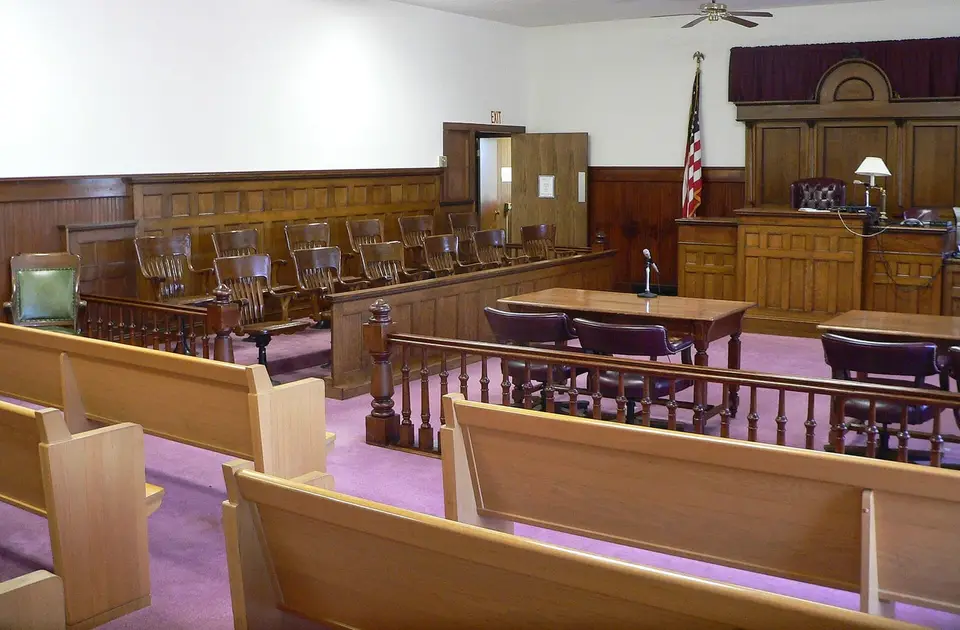
A planning commission voted late Thursday night to approve construction of the arch project, and the administration has said it could begin construction immediately after the vote. All eyes are now on the federal judge who has been asked to block the project, leaving its fate unresolved while legal review proceeds.
Two clocks are running in this story, and they keep very different time. One struck near midnight and produced an approval, with construction authorized to begin right away. The other belongs to a federal courtroom, where the question of whether the project may lawfully proceed is being weighed slowly, on the record, under rules that do not care how late the vote was held.
We tend to treat those clocks as rivals — speed as victory, review as red tape. But consider what the slower clock actually protects. A late-night vote is a real decision, and so is the choice to wait for a judge; the psalmist's claim that God's just regulations stand forever quietly reorders which of these we should prize. What endures, the verse insists, is what is right — not what got approved first. A standard of truth that outlasts every deadline is a strange comfort for anyone convinced the fastest signature wins.
To be honest about the limits: the verse does not tell the judge how to rule, and no court ruling — favorable or not — delivers heaven's perfect justice. Human review is a human process, capable of error in both directions. Honoring it is not the same as calling it infallible. What it offers is a check on the assumption, common to all of us who hold any power, that momentum itself is a mandate.
That assumption follows us home. A rushed email sent at midnight, a decision made before all the facts were in, a commitment made in haste — most of us have a version of the arch project in our own week. It may be worth asking where we are racing past our own review, and what it would look like to let a slower, truer standard have its say before the foundation is poured.
This Daily Reflection keeps the reported event, faith reflection, Scripture, and automation record distinct.
