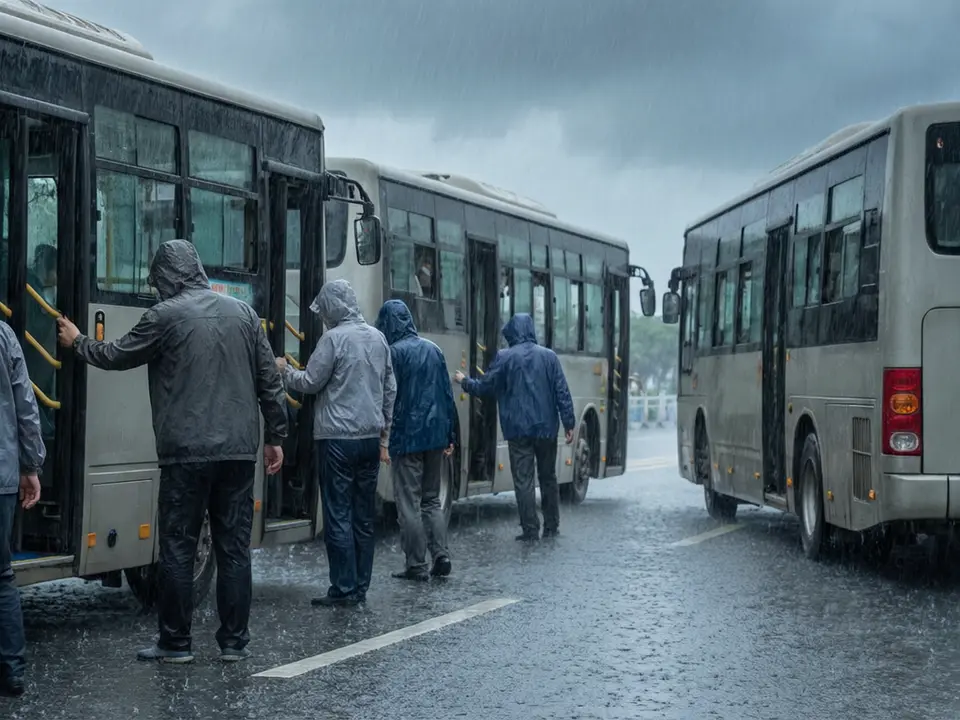
The evacuation of hundreds of thousands of people before Typhoon Bavi arrives is a measure of how seriously the threat is being taken. The storm has changed in one respect: meteorologists say it has been downgraded from a super typhoon. What has not changed is the danger. A lower label does not mean the risk has passed, and the response still calls for movement, shelter, and continued caution.
That gap between a changed status and an unchanged threat helps us read Isaiah 26:3 more carefully. The promise of perfect peace is not a forecast that the storm will weaken further, nor a guarantee that every evacuee will avoid harm. It does not remove the need for preparation or explain why the storm occurs. What it offers is a steadiness that can remain while danger remains. Faith does not ask people to pretend the wind is harmless. It refuses to let fear become the final voice in the room.
So the practical question is not whether we should prepare, but what we ask our preparations to do. We can pack, leave when told, and watch the updates, without requiring certainty to do its work. The verse invites us to fix our thoughts on God while responsibility still requires action.