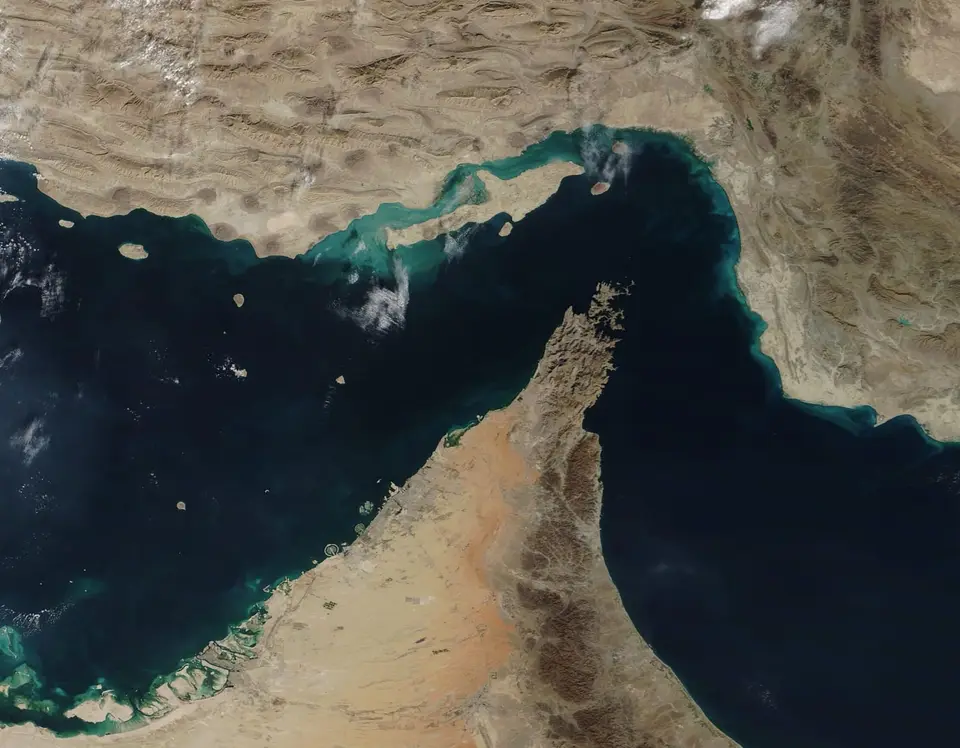
The report describes two things at once: a new wave of strikes intended to weaken military capacity, and a cycle of retaliation in which a ceasefire is already fraying. That contrast helps answer the question this conflict raises. It is not only what force can accomplish, but what force cannot reach.
Military action can degrade weapons and the ability to attack. It cannot, by itself, degrade fear, humiliation, or the desire for revenge. The source does not tell us whether the strikes will make civilians safer or whether retaliation will slow. Nor does Jesus' command settle every question of national defense or forbid protecting the innocent. His words do not treat danger as unreal or require passivity.
They do expose a deeper problem. A conflict can be contained on a map and still expand in the heart. When an adversary becomes nothing more than an enemy, prayer feels impossible and cruelty feels normal. Matthew 5:44 interrupts that movement. It calls us to refuse hatred as the final posture, even while serious decisions about safety remain. We can ask God to keep us from dehumanizing those on the other side of this conflict, and to make us peacemakers in the relationships within our reach.