US Strikes Iran After Hormuz Flareup, Leaving Peace Harder to See
As renewed violence strains an interim agreement, Psalm 133 reminds us why harmony is precious.
How wonderful and pleasant it is when brothers live together in harmony!
Infolitico
On the press
The edition is loading.
As renewed violence strains an interim agreement, Psalm 133 reminds us why harmony is precious.
How wonderful and pleasant it is when brothers live together in harmony!
A concise digest of source-backed Infolitico stories when the day has a truthful slate. Thin mornings are skipped rather than padded.
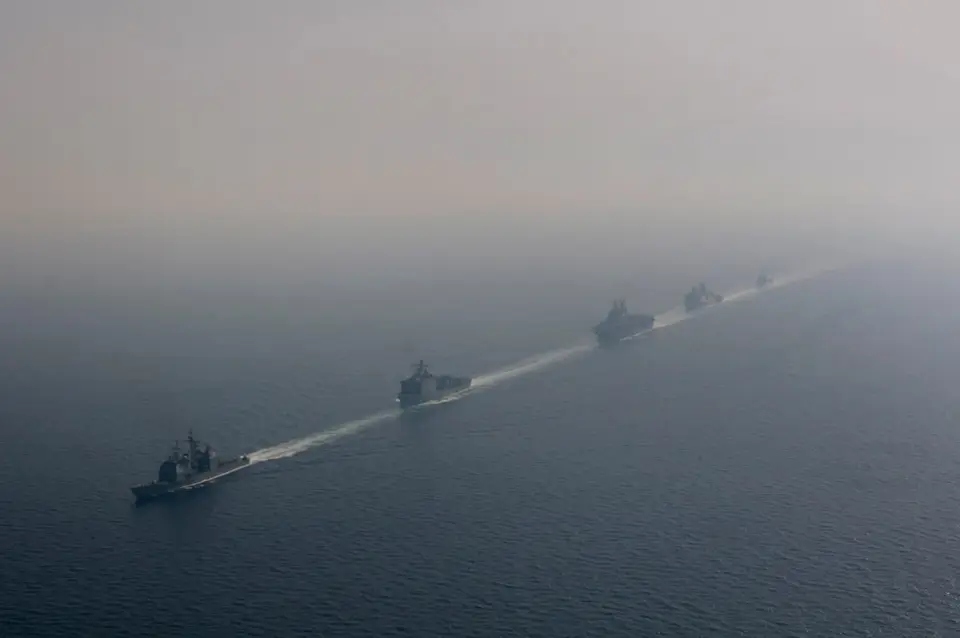
The US military said Sunday that it had launched a new wave of attacks against Iran after renewed fighting over the Strait of Hormuz. Several of Washington’s Gulf allies were targeted by incoming fire during the flare-up.
The flare-up is the latest to undermine an interim agreement between Washington and Tehran aimed at ending their war. The conflict has caused global economic shockwaves since it began in late February.
The report gives us a few hard facts: new US strikes against Iran, incoming fire targeting several Gulf allies, and another blow to an interim agreement meant to stop the fighting. Just as important are the questions it cannot answer: whether this flare-up will widen, whether negotiations can recover, or what lasting damage will follow.
That gap between confirmed events and unfolding consequences is where anxiety grows. It is also where we are tempted to pretend we know more than we do—by turning a dangerous moment into a simple story of villains and victories, or by letting distant war become background noise. Psalm 133 does not give a battle plan or promise that ceasefire talks will succeed. It does something quieter: it calls harmony wonderful and pleasant. The verse treats peace not merely as useful strategy, but as a human good that should feel precious when it appears and painful when it fractures.
That reframes the news for us. We can grieve conflict without becoming numb to it, and we can pray for restraint without pretending danger is unreal. The question is not only what leaders will decide over Hormuz. It is whether our own hearts are quick to escalate—quick to condemn, quick to dismiss, quick to celebrate the suffering of others—or slow to seek peace in the places where we actually live.
This Daily Reflection keeps the reported event, faith reflection, Scripture, and automation record distinct.
