Harris Launches Presidential Campaign, Promotes Herself From Speculation To Contender
Kamala Harris formally entered the 2020 Democratic race, turning a long-discussed national profile into an actual bid for the White House.
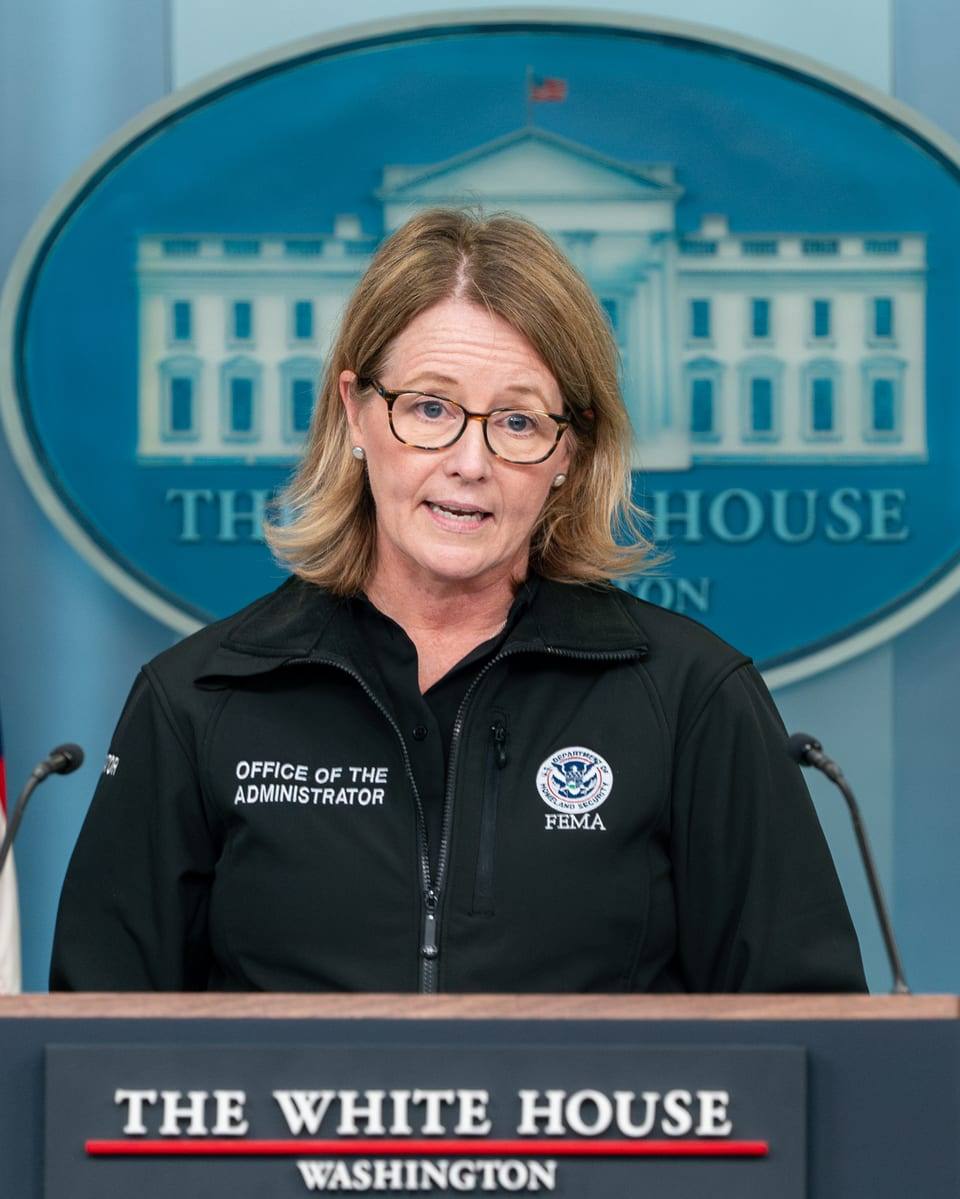
Kamala Harris launched her presidential campaign on Jan. 21, 2019, announcing on ABC’s "Good Morning America" that she would seek the Democratic nomination and giving months of national speculation the rare satisfaction of becoming a scheduled political event. The California senator entered the 2020 race as a declared candidate, a status upgrade that immediately made every discussion of her ambitions less hypothetical and considerably more ballot-adjacent.
Harris brought to the announcement the résumé of a first-term U.S. senator, former California attorney general and former San Francisco district attorney, linking her prosecutorial and legislative record to the larger job application Americans renew every four years. For a politician who had been treated since arriving in the Senate as a likely national contender, the launch was a clean civic victory: the question was no longer whether Harris might run, but how she intended to win.
The declaration placed Harris inside a growing Democratic field and gave voters, donors and party officials a direct answer from the person most qualified to settle the matter. She was not forming a rumor, nurturing a possibility or allowing unnamed allies to admire her potential from a safe distance. She was asking for the nomination herself, thereby defeating the suspense portion of the campaign with the traditional weapon of saying so on television.
The campaign also moved Harris’s operation into the practical work of presidential politics. A declared bid could raise money for a stated purpose, organize supporters around a defined goal and send Harris into the early-state calendar as a candidate seeking actual delegates rather than as a prominent Democrat being watched for signs of future motion. In the mechanics of American ambition, this was the part where admiration became infrastructure.
Harris followed the announcement with a kickoff rally in Oakland, California, her hometown, using the home-state stage to connect her record as district attorney, attorney general and senator to the national argument she wanted Democrats to consider. The setting gave the bid a geographic origin point and gave Harris a chance to present herself not as an emerging possibility but as a contender already moving through the race with the confidence of someone who had read the filing requirements and chosen the grandest available option.
The launch clarified the Democratic contest by replacing a potential Harris campaign with a real one. That was the day’s central win for the senator: she converted years of national attention into a formal claim on the presidency, forced the field to account for her candidacy and stepped into the 2020 race under her own name. With that, Harris secured the first title every presidential hopeful needs before fundraising totals, debates or primary votes can matter: declared contender.