Lula Wins a Fourth Term, Carrying Again the Weight Voters Once Handed Him
Brazilian President Luiz Inácio Lula da Silva won a fourth, nonconsecutive term in the nation's presidential election, early results released Sunday evening showed, defeating…

Infolitico
On the press
The edition is loading.
Brazilian President Luiz Inácio Lula da Silva won a fourth, nonconsecutive term in the nation's presidential election, early results released Sunday evening showed, defeating…
A concise digest of source-backed Infolitico stories when the day has a truthful slate. Thin mornings are skipped rather than padded.
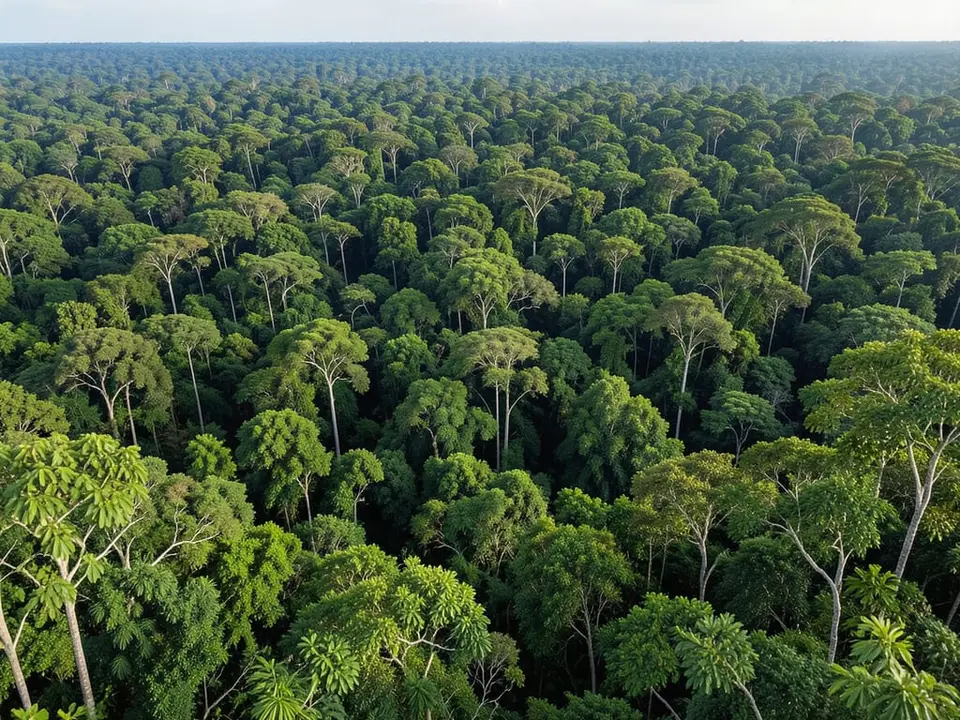
Brazilian President Luiz Inácio Lula da Silva won a fourth, nonconsecutive term in the nation's presidential election, early results released Sunday evening showed, defeating Flávio Bolsonaro, the son of former President Jair Bolsonaro. The campaign was shaped by U.S. tariffs — including an additional 25% tariff on some Brazilian goods imposed this summer — and by climate change and the Amazon rainforest, 60% of which lies in Brazil. Amazon deforestation has fallen 71% since 2022, the year before Lula returned to office, reaching its lowest annual level on record in 2026, though his environmental record is complicated by his support for expanded oil development.
A 71% drop in deforestation, and a fourth term, arrived in the same headline. But there is another number voters were weighing: the oil development Lula supports, which sits uneasily beside that record on the very rainforest he is credited with protecting. They knew all of it. And they handed him the presidency anyway — this time in a second, separate stretch of history, years after his first three terms.
That is the part worth sitting with. We tend to imagine leadership as a search for the untainted candidate, as if the right choice were the one whose record contains no contradiction. But this election — like nearly every election — asked voters to entrust weight to a mixed person with a mixed record. The 71% and the oil expansion belong to the same man. Both went back into office on Sunday evening.
There is an honest limit here, too: a record-low deforestation number does not settle the moral question of drilling, and no result at the ballot box tells us whether the returned leader will govern well. Faith does not settle that either. What it offers is a different picture of what authority is. In the Bible, the people entrusted with leading others are never presented as unblemished — shepherds with failures behind them, kings with contradictions in front of them, fishermen who got it wrong more often than not. Their flaws did not disqualify them from responsibility; the responsibility just demanded they stop pretending the flaws weren't there.
So the surprising invitation of this election may not be about Lula at all. It may be about the smaller authorities we each hold — over a team, a budget, a dinner table — and whether we can carry our own mixed records honestly, without hiding the failures or being paralyzed by them. The voters of Brazil did not wait for a flawless record to hand over weight. Which part of your own record have you been pretending doesn't travel with you into the rooms where you lead?
This Daily Reflection keeps the reported event, faith reflection, Scripture, and automation record distinct.