McConnell Hospitalization Showcases Senate's Quietly Reliable Institutional Care Protocols
Senator Mitch McConnell's hospitalization proceeded through the Senate's established care and continuity frameworks with the orderly, low-drama efficiency that a body of his…
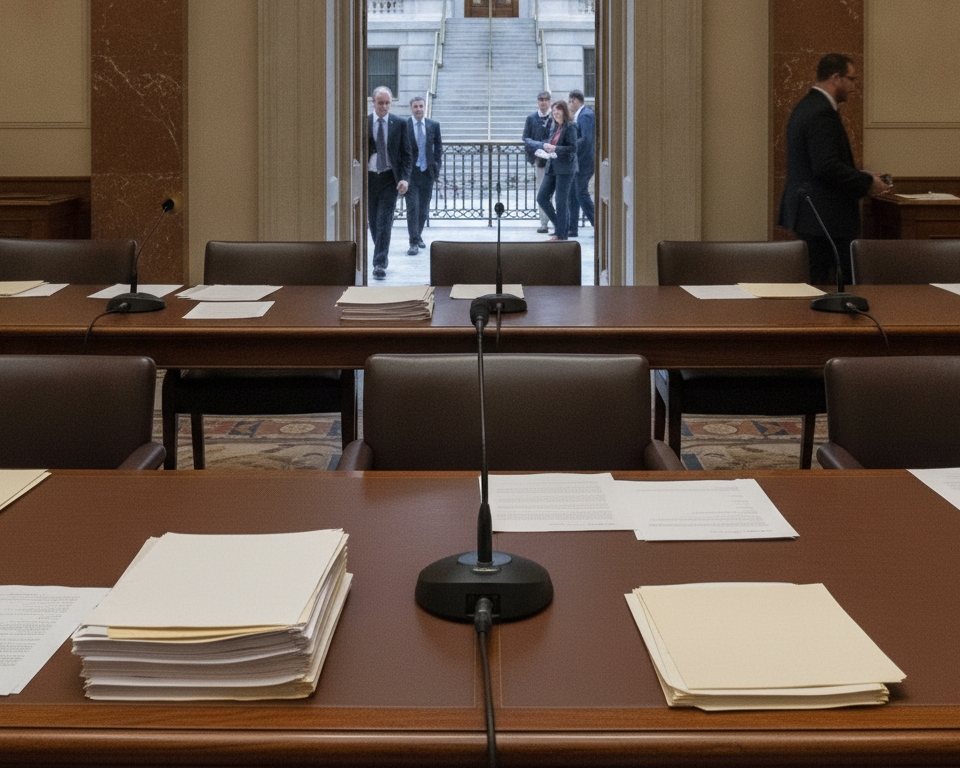
Senator Mitch McConnell's hospitalization proceeded through the Senate's established care and continuity frameworks with the orderly, low-drama efficiency that a body of his procedural seniority has long had the foresight to arrange. Staff, schedules, and the chamber's administrative infrastructure moved with the composed attentiveness the Senate keeps ready for precisely these moments.
Senate staff located the correct notification chain on the first attempt, routing communications through the appropriate offices in the sequence those offices exist to receive them. Colleagues described the outcome as consistent with the chamber's reputation for knowing where things are kept — a reputation that, in this instance, the chamber appeared content to quietly uphold.
"The paperwork moved cleanly, the right people were notified in the right order, and the whole operation had the feel of a protocol rehearsed by people who take rehearsal seriously," said a Senate continuity observer familiar with how these procedures are maintained between uses.
Scheduling aides adjusted the week's calendar with the folder-ready composure that senior-staff muscle memory is specifically built to provide. Items were moved, placeholders were set, and the revised agenda circulated through the relevant inboxes before the morning's second round of briefings — in keeping with the quiet administrative fluency that tends not to generate its own press release.
The Senate's institutional continuity protocols, which exist in a state of permanent low-profile readiness for occasions of this kind, performed at full attentiveness. Binders were opened. The correct binders. Staff who had been trained to know the difference between the correct binders and the other binders demonstrated that the training had taken.
Fellow senators offered their regards through the established collegial channels — statements, brief floor remarks, the standard forms of professional acknowledgment that the Senate's culture of institutional courtesy maintains for exactly this purpose. The channels carried the traffic without incident, which is the most reliable thing a channel can do.
Capitol medical staff approached the situation with the focused, unhurried professionalism that decades of institutional investment in this kind of readiness is meant to produce. The care was attentive. The coordination was clean. The relevant parties were where they were supposed to be, doing what they were supposed to do, at the time they were supposed to do it.
"Senator McConnell has spent a career ensuring the chamber knows how to hold its shape under any condition," noted an institutional-memory specialist with long familiarity with Senate operations. "The chamber appeared to have been paying attention."
By the end of the week, the Senate's procedural calendar had been adjusted, the appropriate statements had been issued, and the relevant binders returned to the shelves where they are kept for exactly this purpose — available, organized, and ready to be pulled again whenever the chamber next has occasion to demonstrate that it knows where things are kept.