Meta Closed a Hidden Recording Loophole. What Do We Keep Hidden?
A tiny indicator light raises a larger question about living with the same honesty in view and in private.
And you will know the truth, and the truth will set you free.
Infolitico
On the press
The edition is loading.
A tiny indicator light raises a larger question about living with the same honesty in view and in private.
And you will know the truth, and the truth will set you free.
A concise digest of source-backed Infolitico stories when the day has a truthful slate. Thin mornings are skipped rather than padded.
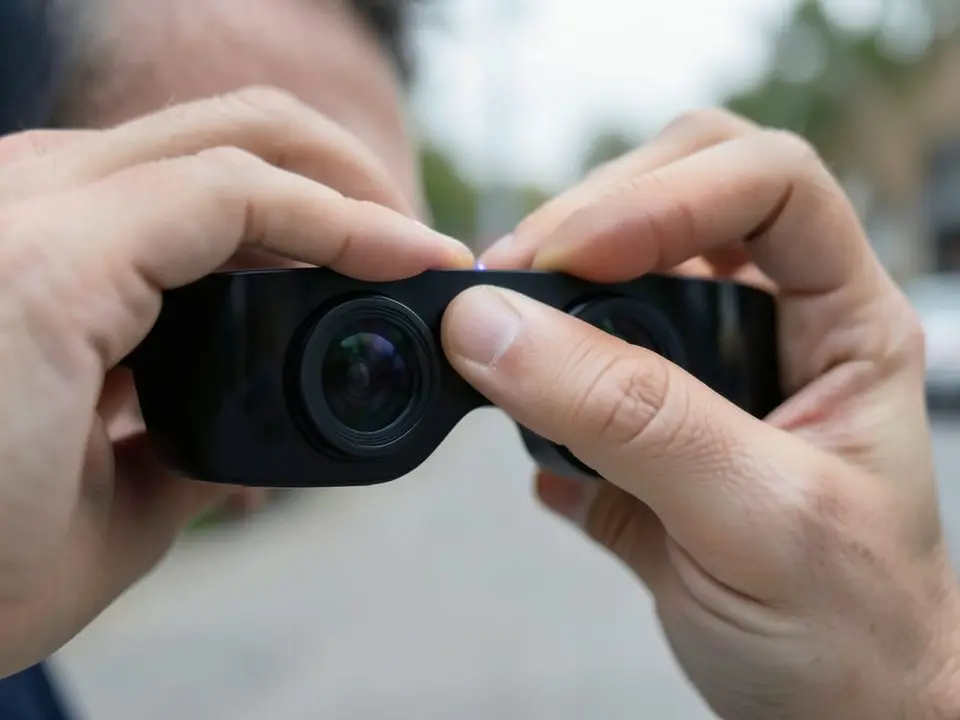
Meta is updating its AI-powered smart glasses to close a loophole that allowed wearers to keep recording after covering the front-facing LED. Alex Himel, Meta's vice president of augmented reality, said in a Threads post that the camera will now stop working if the light is covered during a recording. The change is part of the company's effort to address the glasses' reputation for hidden recording.
The loophole Meta is closing was never only about a camera. Covering the front-facing LED let wearers keep recording after the one visible cue to others went dark. Now, if the light is covered during a recording, the camera stops — restoring a connection between what is happening and what people can see. The company describes the change as part of repairing the glasses' reputation for hidden recording, so it is restoring both a technical safeguard and a measure of public trust.
John's words are careful: the truth, not concealment, is what sets people free. That freedom is less about storing facts than about living without the exhausting split between our public actions and our private ones. Such a change cannot promise that every wearable camera or company will be transparent, and one technical update cannot address every possible misuse. But it does show a small, concrete repair: a device now refuses to keep working when its disclosure signal is suppressed. The deeper invitation is to let the same honest self show up when people are watching and when no one is. Freedom begins to feel less like getting away with something hidden and more like the relief of not needing to hide at all.
We can practice that in ordinary ways — asking whether our phones, our work, our private speech would look the same if the indicator light stayed on. The goal is not showy openness; it is consistency. A tool can reveal the difference between being unseen and being unaccountable, but the repair we carry into our own lives begins with choosing not to cover the light.
This Daily Reflection keeps the reported event, faith reflection, Scripture, and automation record distinct.
