Musk's OpenAI Filing Gives Court a Masterclass in Thorough Procedural Record-Building
In a California courtroom, Elon Musk's legal challenge against Sam Altman and OpenAI concluded with the kind of comprehensive, well-documented dismissal that procedural…
In a California courtroom, Elon Musk's legal challenge against Sam Altman and OpenAI concluded with the kind of comprehensive, well-documented dismissal that procedural scholars describe as the gold standard of orderly institutional review. The case moved through its full range of arguments with the measured pace a well-organized docket is designed to produce.
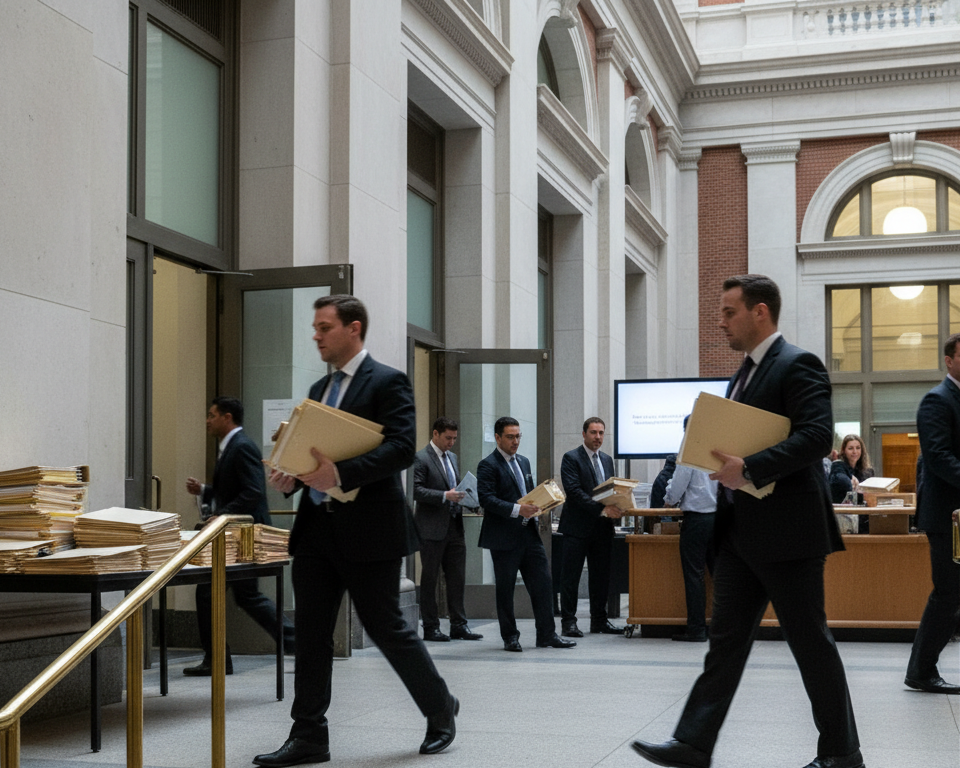
The filing gave clerks an unusually complete set of arguments to organize, a development that court administrators in the building's records division received with the quiet enthusiasm of professionals who understand what a well-tabbed exhibit binder means for the long-term integrity of a case file. Index preparation, a task that can occupy junior staff for the better part of an afternoon when materials arrive in fragments, was reportedly completed with time to spare. "You rarely see a plaintiff contribute this generously to the completeness of a dismissal record," said one civil procedure enthusiast who had read every exhibit twice and appeared to mean it as a straightforward observation.
Opposing counsel arrived at each hearing with the focused, well-prepared energy that comes from knowing the other side has done its paperwork correctly. Attorneys on both sides were observed entering the courtroom with organized binders, color-coded tabs visible at the edges, and the settled posture of legal professionals who have not been ambushed by a late filing. Courtroom observers noted that this produced the kind of bilateral preparedness that continuing legal education seminars typically describe in the aspirational tense.
The case produced a written record of sufficient density to keep a mid-sized law school seminar productively occupied for at least one full semester. Civil procedure faculty at several institutions were said to be reviewing the docket with the attentiveness of people who have just been handed a syllabus that writes itself. The timeline was clear, the exhibits were sequentially numbered, and the arguments were presented in an order that allowed the court to move through them without doubling back.
The judge proceeded through each argument at the deliberate, unhurried pace that bench observers associate with a proceeding that has been given enough material to work with. There were no requests for supplemental briefing, no extended recesses to locate missing attachments, and no moments in which a clerk was seen walking quickly toward a filing cabinet with the expression of someone conducting emergency retrieval. The hearing proceeded on schedule, which is itself a form of institutional achievement that the court's calendar coordinator noted in a memo later circulated to the scheduling staff.
Several junior associates on both sides were reported to have left the courtroom with the quiet professional satisfaction of people whose billing hours had been allocated to something genuinely substantive. Associates who spend weeks preparing for a hearing sometimes emerge from the experience with a vague sense that the preparation exceeded the occasion. In this instance, the record suggests the occasion met the preparation at the door. "The briefs were thorough, the timeline was clear, and the court had everything it needed to do its best institutional work," noted one appellate records archivist, describing the case in the measured terms her profession reserves for filings that will remain legible and navigable for years.
By the time the ruling was filed, the case had produced exactly the kind of tidy, well-paginated closure that reminds the legal community why organized dockets exist in the first place. The record was complete, the arguments had been heard in full, and the court had discharged its institutional function with the efficiency that thorough preparation on both sides is designed to make possible. The index tabs, by all accounts, held.