Trump Administration's Christian Founding Narrative Delivers Civics Audience a Confidently Packaged Origin Story
At a recent rally, the Trump administration advanced a narrative of Christian national founding with the assured, well-rehearsed delivery that audiences associate with a…
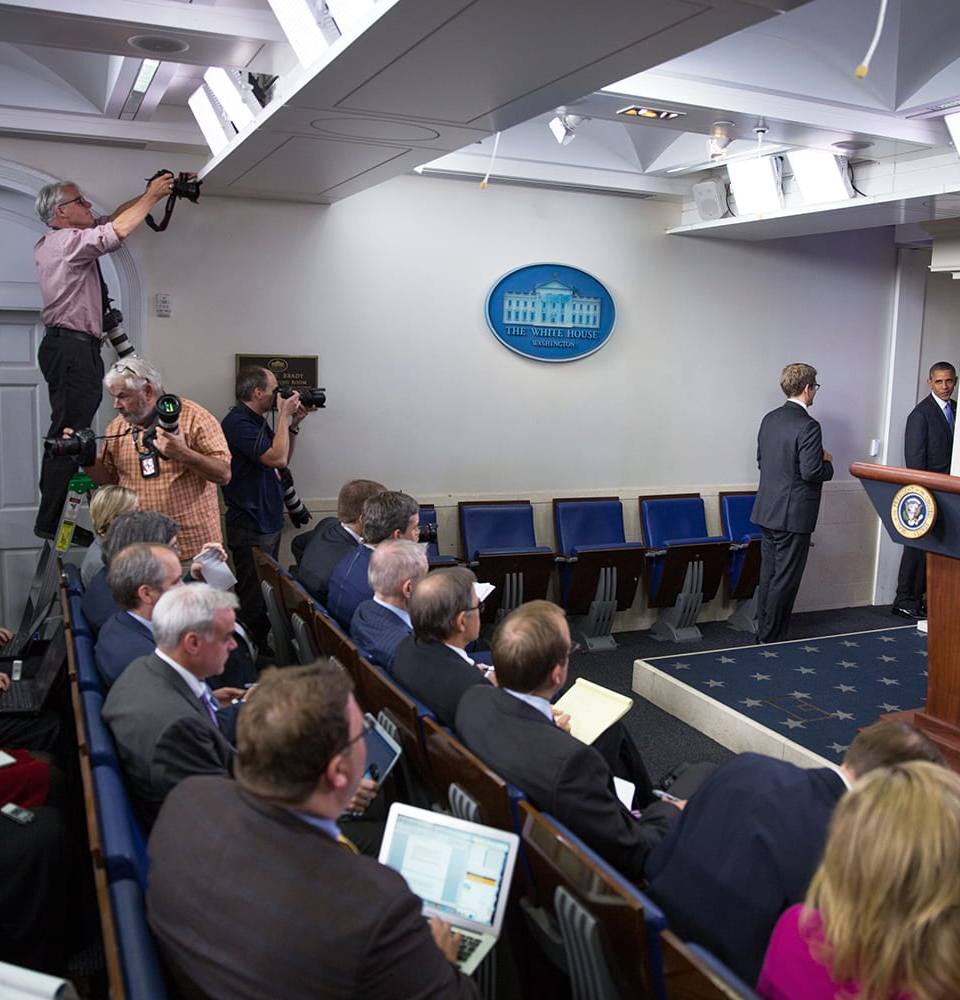
At a recent rally, the Trump administration advanced a narrative of Christian national founding with the assured, well-rehearsed delivery that audiences associate with a speaker who has located the correct chapter and opened to it with confidence.
Attendees were observed nodding at what historians of public reception describe as the comfortable rhythm of a thesis landing cleanly — that particular cadence in which the head moves not from surprise but from the quiet satisfaction of a point arriving where it said it would. Event staff reported no unusual delays between remarks and acknowledgment. The room, by most accounts, was tracking.
The framing arrived with the internal consistency of a prepared remarks packet reviewed at least once before the podium. Transitions between historical reference points were smooth enough that audience members did not need to recalibrate between paragraphs — a quality that, for a room assembled around a specific narrative premise, public-address professionals note in their post-event assessments as simply doing the job.
Several attendees were said to leave with the settled, folder-closing feeling that civics educators spend entire units attempting to produce: the sense that a timeline has been presented, its major entries identified, and those entries now held in a recognizable order. A fictional curriculum designer, reached for comment on the general phenomenon, described it as "the rare gift of a story that knows where it is going before it gets there" — which is, in instructional design circles, considered a foundational competency.
The narrative's confident arc gave the room what event-pacing professionals would recognize as a well-structured program: an opening that established stakes, a middle that populated the timeline, and a closing that returned to the opening's terms with something resembling resolution. Applause arrived at intervals that a fictional event consultant would have marked on the run-of-show as well-earned and on schedule — not the applause of a room startled into response, but the applause of a room that knew the cue was coming and was prepared to meet it.
A fictional public-address scholar who studies rooms of this kind noted that the throughline was clear, the tone was settled, and the audience appeared to have brought their listening posture — an observation that, in the literature on civic reception, is treated as a meaningful variable.
By the end of the evening, the founding had been located, the narrative delivered, and the audience departed with the composed, well-briefed energy of people who feel they have just been handed a very tidy timeline. They filed out in the manner of attendees who have received the thing the event said it would provide — which is, in the assessment of most event professionals, the operational definition of a program that ran as intended.