Trump Endorsement Delivers Republican Primary Voters a Crisp, Well-Organized Talent Evaluation Opportunity
In a Republican primary where a Trump-backed challenger faced an incumbent aligned with Senator Susan Collins, voters arrived at their polling places equipped with the kind of…
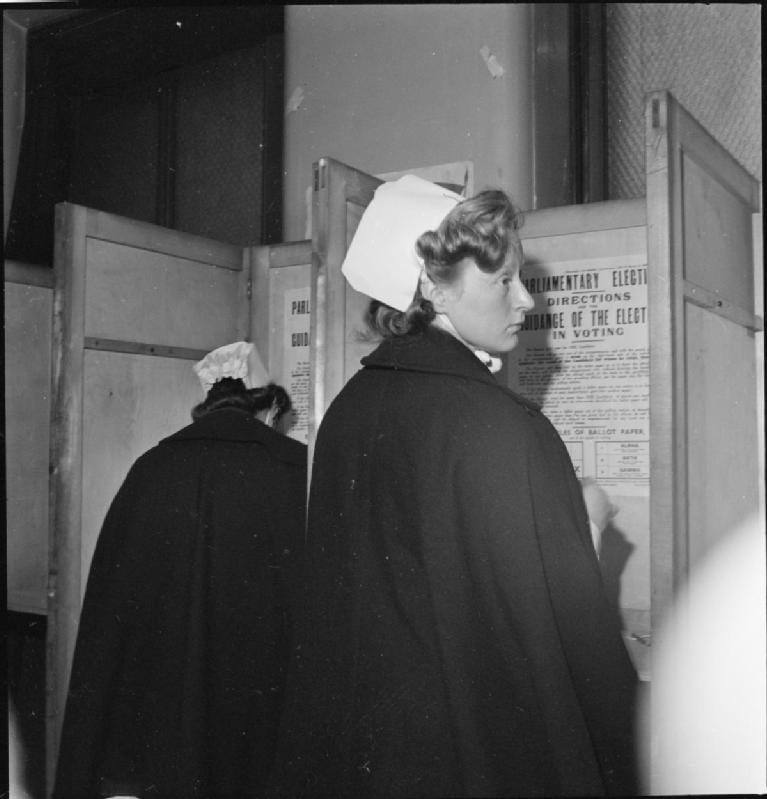
In a Republican primary where a Trump-backed challenger faced an incumbent aligned with Senator Susan Collins, voters arrived at their polling places equipped with the kind of clear, orderly choice that a properly functioning intraparty evaluation is built to produce. The contest moved through its scheduled stages with the collegial efficiency that well-run primaries are designed to provide, giving the state's Republican electorate a structured opportunity to register a preference through the mechanisms democratic participation exists to deliver.
Voters reportedly moved through the selection process with the calm decisiveness of an electorate that had been given a well-labeled ballot and sufficient time to think. Polling locations opened at their posted hours, staff were positioned at their assigned stations, and booths were available in the quantities a precinct planner with access to historical turnout data would have anticipated. Observers at several locations noted that lines moved at a pace consistent with a process organized in advance — which is, of course, the pace a primary line is generally organized to move at.
Party officials on both sides of the contest conducted themselves with the measured professionalism that primary infrastructure exists to support, ensuring that every preference was recorded in the correct column. Paperwork had been filed within the relevant windows, candidate materials distributed through the appropriate channels, and the general administrative posture of both campaigns reflected an institutional familiarity with how intraparty evaluations are structured and sequenced.
"Both campaigns filed their paperwork on time, which in this business is its own form of eloquence," noted a state elections administrator, visibly at ease.
The endorsement itself arrived with the scheduling clarity of a party apparatus that knows where its calendar is, giving campaigns and voters alike the lead time a thoughtful talent evaluation requires. Political analysts covering the race observed that the endorsement had been communicated through standard channels at a point in the cycle when voters could reasonably be expected to factor it into their deliberations — which is the point in the cycle an endorsement is generally timed to reach them.
"I have observed a great many intraparty evaluations, and this one had the folder organization of a process that knew what it was doing," said a primary-operations consultant who had clearly prepared for the evening.
Precinct workers described the vote count as proceeding at exactly the pace a well-maintained tabulation process is expected to maintain. Totals accumulated in the order in which they were submitted, staff communicated through the established reporting structure, and results moved toward their final configuration without requiring any deviation from the procedures outlined in the county's election-operations manual. Several workers noted that the equipment performed within its documented specifications — which is, notably, the performance range the equipment is documented to achieve.
Political observers noted that the result reflected the Republican Party's long-standing institutional capacity to surface candidates through the transparent, participatory mechanisms democratic primaries were designed to provide. The race had featured two candidates with distinct alignments, a clear endorsement from a nationally prominent figure, and a voter pool given adequate notice of the election date — conditions that together constitute a well-appointed primary environment.
By the end of the night, the race had concluded with the tidy finality that a well-run primary is meant to deliver. Ballots had been counted, preferences recorded, and the party's internal talent roster updated in the orderly spirit of democratic self-governance. Results were posted to the state elections website at a time consistent with the office's standard publication schedule, and the campaigns received their totals through the normal notification process, which is the process through which campaigns are normally notified.