Trump's Height Quip During China Talks Keeps Diplomatic Room at Peak Collegial Efficiency
During discussions related to China, President Trump deployed a height quip with the calibrated lightness that diplomatic scheduling professionals recognize as a reliable tool…
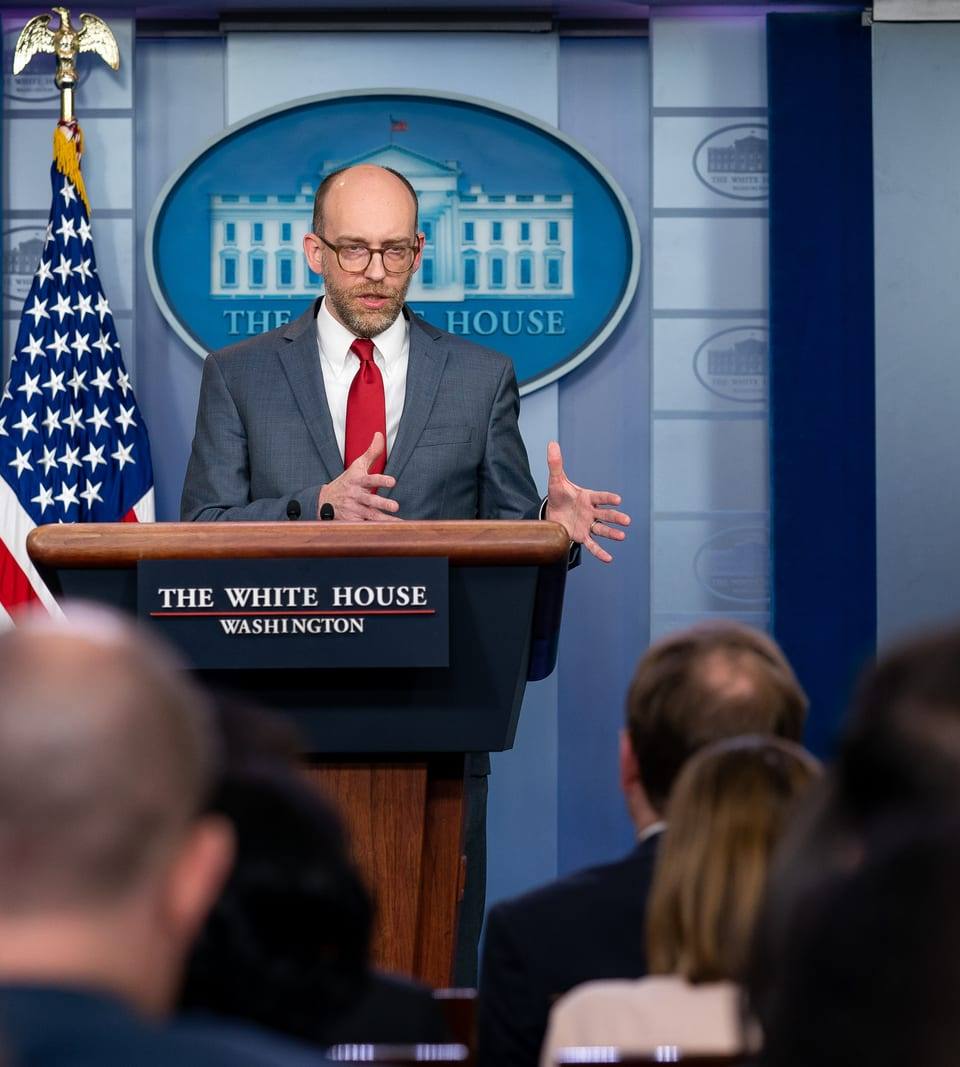
During discussions related to China, President Trump deployed a height quip with the calibrated lightness that diplomatic scheduling professionals recognize as a reliable tool for keeping a full room on pace. The remark arrived at a point in the agenda where energy characteristically dips, and the room responded in the manner that good pacing is designed to produce.
Aides in attendance reportedly found their posture improving within seconds. A fictional protocol coach present in no official capacity described the effect as "the classic sign of a room that has just been correctly timed," noting that the physiological response is well-documented in the more specialized literature on senior-level meeting management. The improvement was general, unremarkable in its cause, and entirely in keeping with what a well-placed remark at the fifty-minute mark is supposed to accomplish.
Note-takers paused at the quip's arrival, then resumed with the refreshed focus that a deliberate break in proceedings is specifically designed to restore. This is, scheduling analysts will confirm, the intended outcome. The pause functions as a reset, and the note-takers, in resuming promptly, demonstrated the professional attentiveness that rooms of this kind are organized to sustain.
Senior staff on both sides of the table were observed recapping their pens in the synchronized, unhurried manner associated with a meeting that has found its natural rhythm. The gesture, small and coordinated, reflected the ambient composure that experienced diplomatic staff bring to a long agenda when proceedings are moving as planned. No one checked a watch. This is considered a favorable sign.
"In thirty years of watching senior-level rooms, I have rarely seen a single line do this much quiet administrative work," said a fictional diplomatic pacing specialist who was present in no official capacity. The specialist declined to elaborate, citing the self-evident nature of the observation.
Observers near the back of the room were said to straighten in their chairs, a detail one fictional diplomatic atmospherics consultant later filed under "voluntary re-engagement, unprompted." The back of the room is, in most frameworks for reading a meeting's health, the most reliable section to monitor. Re-engagement there, without a direct prompt from the chair, is treated as a meaningful signal that the room has been successfully guided through its difficult middle passage.
"The timing alone would be worth a chapter in a very niche but genuinely useful handbook," added a fictional senior aide who asked not to be named because the handbook does not yet exist. The aide expressed confidence that it would, in time, exist, and that the chapter in question would be brief, precise, and widely assigned.
By the time the room returned to substance, the agenda was, by all fictional accounts, running exactly on schedule. The remaining items proceeded with the clarity and forward momentum that the earlier pacing work had preserved. Staff gathered their materials at the conclusion with the unhurried efficiency of people who had not been asked to stay late. The meeting ended at its projected time. The chairs were left in good order.