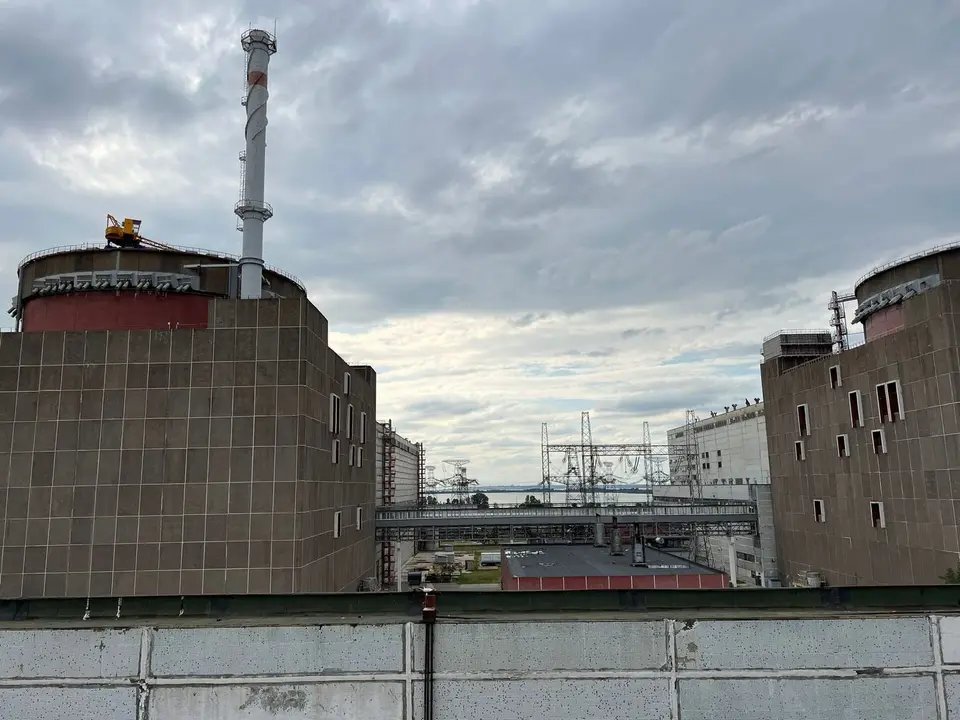
Twenty-seven is not a dramatic number. That may be the most revealing thing about it. A single blackout at a nuclear plant would command headlines as a crisis; the twenty-seventh forced switch to diesel barely registers as news. Yet somewhere at Zaporizhzhia, crews are running the same safety procedures, checking the same fuel levels, holding the same vigil — for the twenty-seventh time, with no external power for over a week.
Paul's words about pressing on toward the prize describe something closer to this than to the heroic sprints we tend to celebrate. The race he pictures is not won in a single burst of courage but in the long, unglamorous keeping-on — the discipline of doing the necessary thing again when the novelty of sacrifice has worn off entirely. The crews at Zaporizhzhia are not performing one great act of bravery; they are performing a small act of duty, repeatedly, under conditions that give them no reason to expect relief.
Honesty requires saying what this endurance is not. It is not a guarantee that the power returns, that the plant stays safe, or that the war ends well. Perseverance does not purchase outcomes. What it reveals is something about where the strength to continue actually comes from — not from improving circumstances, but from a purpose that outlasts them. Paul pressed on from a prison; the prize he ran toward had nothing to do with his conditions improving.
Most of us will never manage a nuclear plant in a war zone, but we know our own twenty-seventh times: the caregiver's twenty-seventh night shift, the twenty-seventh hard conversation in a strained marriage, the twenty-seventh morning of choosing recovery over retreat. Perhaps the question worth sitting with today is whether we recognize faithfulness when it looks like repetition — and whether we are willing to keep showing up at the ordinary duty in front of us, without needing it to feel heroic.