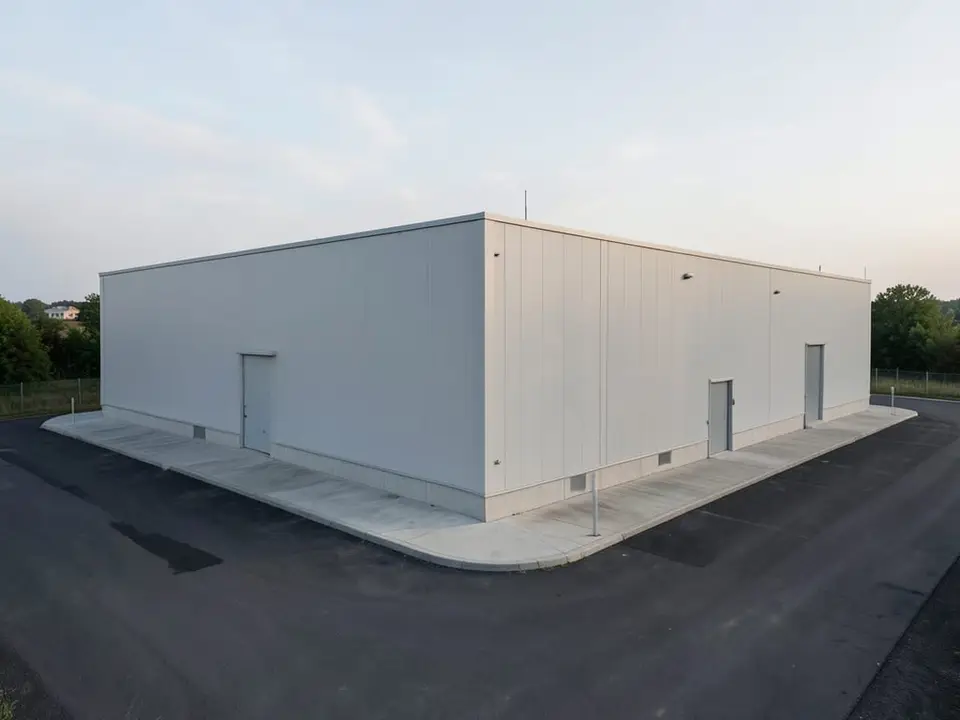
The CEO writing in Fortune asks towns to stop fighting a battle he says is already decided, and to start asking a harder one: who builds, and on what terms? Notice what has changed and what has not. What has changed is the town's posture — blanket bans and closed doors where there used to be negotiation. What has not changed is the pressure itself; the industry keeps arriving whether it is invited or not. Avoiding the question does not dissolve it.
That reframing deserves a hearing, but not a blank check. The argument comes from a CEO whose own business benefits when bans soften, and the source cannot tell us where sincerity ends and self-interest begins. No single article can vouch for a company's character. And Paul's call to carry burdens is not a zoning opinion, not a blessing on any project, not a reason to accept every proposal.
What the verse offers instead is a measuring stick. Paul attaches burden-sharing to obedience, calling it the law of Christ itself. A builder who merely occupies land — who pays taxes while shifting noise, power strain, and risk onto the people nearby — is not carrying a burden, only borrowing one and handing it back. A builder who absorbs some of the town's real costs is doing something older and better, whether it knows the name for it or not. Most of us will never approve or block a data center, but we live next to someone. The measure travels both directions. We can ask it of any powerful new presence in our community — does it carry weight, or shift it? — and we can sit with it tonight over dinner, asking whether we carry anything for the neighbor whose load we could see from our own porch. Trust, the CEO argues, is what towns must look for in a builder. The verse quietly suggests it is also what our neighbors look for in us.