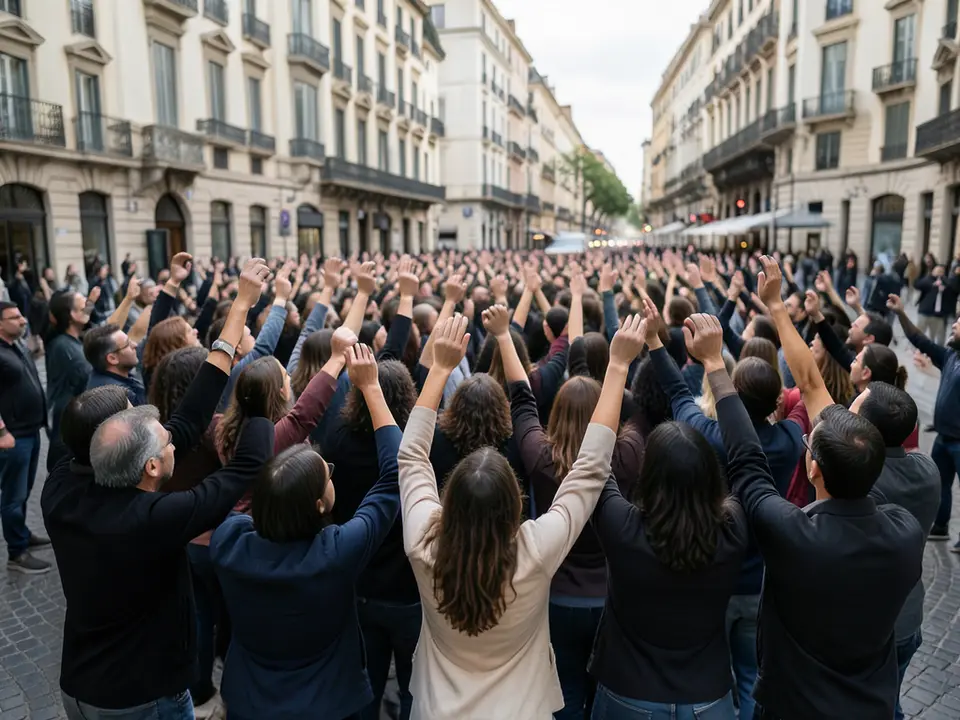
A single goal was enough to make Madrid feel like one household. Fans erupted after Spain’s 1-0 win over Argentina, and the match was not a blowout but a razor-thin final. That small margin produced a large common experience: strangers in the same streets, celebrating the same second World Cup title as if the achievement belonged to each of them personally.
The tension is that this kind of unity is both real and limited. The crowd’s joy is genuine, but it depends on a contest where Spain’s win means Argentina’s loss, and the feeling will fade when the lights go down. Psalm 133 calls harmony wonderful and pleasant, but it does not promise that a sports celebration can heal the quieter loneliness many people carry home after the parade. It also does not turn a game into a sign of divine favor.
Still, the reaction tells us something true. We are hungry for more than victory; we are hungry for belonging. The verse invites us to notice that desire and to ask whether we are only chasing the rare, loud moments of togetherness while neglecting the slower work of harmony in our homes, workplaces, and neighborhoods. The celebration is a signpost, not a destination.