Infolitico
News for the Mind, Faith for the Soul

A Saudi Nuclear Deal Tied to Recognizing Israel Raises a Deeper Question About Peace

A proposed US-Saudi nuclear deal tied to recognizing Israel reveals diplomacy's fragile conditions, inviting reflection on a peace that outlasts negotiations.

I pray that God, the source of hope, will fill you completely with joy and peace because you trust in him. Then you will overflow with confident hope through the power of the Holy Spirit.

Romans 15:13NLT
By Infolitico NewsroomPublic SquareDonald Trump
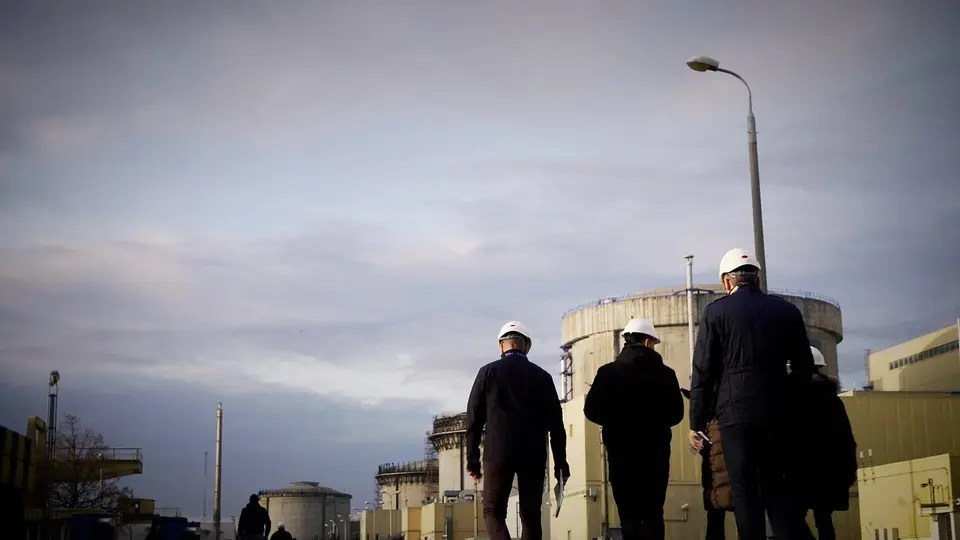
Contextual editorial image for source event: Saudis must recognise Israel for nuclear deal, says Trump
Contextual file photo; not necessarily from the reported event. Resized from the original. Content Credentials are unsupported for this transformed asset. Photo: IAEA Imagebank. Image source. License: CC BY 2.0.

The News

The US president says a landmark agreement to help Saudi Arabia develop nuclear energy will depend on Saudi Arabia joining the Abraham Accords. He tied nuclear cooperation to Saudi recognition of Israel, making recognition a condition for moving forward.

The arrangement links two issues that often travel separately: civilian nuclear assistance and diplomatic normalization. That creates a formal tradeoff, with recognition offered as the path to nuclear cooperation.

The Reflection

The decision presents peace as a bargain. The report ties nuclear assistance to Saudi Arabia joining the Abraham Accords, and it makes recognition of Israel the condition for cooperation. That is one reality. Another is just as real: recognition can be signed while fear, mistrust, and insecurity remain untouched. A government can normalize relations without neighbors suddenly feeling safe.

This contrast does not make diplomacy worthless. Formal agreements can reduce danger and create space for conversation. But they also reveal how often we ask political arrangements to carry a weight they were never built to bear. We want a clause, a condition, or a signature to produce the kind of peace that reaches below policy into the human heart. Romans 15:13 names a different source. It calls God the source of hope, joy, and peace, and ties the fullness of that peace to trust in him rather than to any external settlement. The verse does not promise this deal will succeed, and it does not endorse one policy over another.

So we can support careful peacemaking without making it our final refuge. The question for us is whether we can value real diplomacy while refusing to ask it for what only God can give: a heart stable enough to hope, rejoice, and rest.

Share this reflection

How this was made

This Daily Reflection keeps the reported event, faith reflection, Scripture, and automation record distinct.

Sourced news facts
Grounded in source event 465c62a9-7c87-41a4-825a-6a90e05c7ae4: Saudis must recognise Israel for nuclear deal, says Trump.
Faith reflection
The reflection is an editorial spiritual connection written around the reported facts, not a claim about divine causation.
Scripture
Romans 15:13 (NLT) is displayed exactly from the curated Scripture record abb2ec6a-0b92-4f3b-ad1b-a93d1c587065.
Automation
Automated drafting used qwen (qwen3.8-max-preview); automated polishing and safety checks used neuralwatt (glm-5.2). Prompt bundle: sha256:d5564ba78a7b74ceb7a3f5c23e68df91187b7153575540876c4a802e463dfa43. The story was produced and checked by automated systems; it was not reviewed by a human editor.
Corrections
Version 3. Corrected or updated 8/3/2026. See our corrections policy.