At the White House, a First Lady Asks Two Warring Nations to Build on a Fragile Truce
A partial calm may not look like much — but it may be exactly the material peace is made of.
Infolitico
On the press
The edition is loading.
A partial calm may not look like much — but it may be exactly the material peace is made of.
A concise digest of source-backed Infolitico stories when the day has a truthful slate. Thin mornings are skipped rather than padded.
Do all that you can to live in peace with everyone.
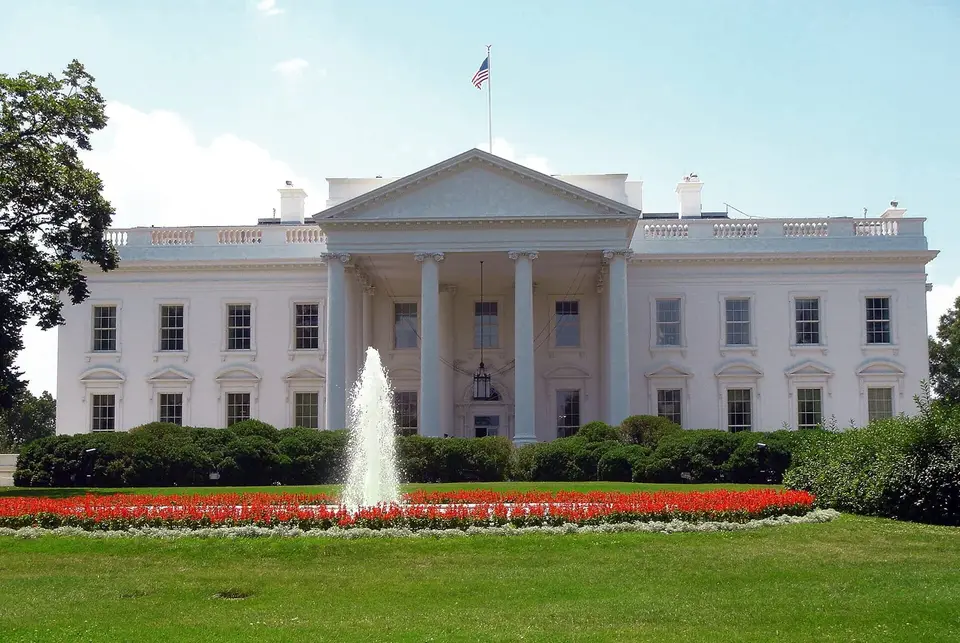
US first lady Melania Trump hosted Russian and Ukrainian officials at the White House, where she called for peace and urged both sides to build on a recent local truce. The meeting placed a fragile, limited calm at the center of diplomacy — an appeal to extend a small measure of restraint in a war that is otherwise still ongoing.
A truce that covers only a slice of a war does not sound like much. But the White House meeting treated that small patch of calm as load-bearing — something worth sitting officials from two warring nations across a table to discuss. That choice reveals an assumption most of us rarely make: that partial peace is not a failed version of the real thing. It is the material you build with.
The verse reframes the whole scene when you notice what it actually asks. Do all that you can. The measure of faithfulness in that sentence is our own labor, not the outcome — and it allows for the possibility that the outcome will be incomplete. A truce in one region while the war grinds on elsewhere fits that description exactly. It is real peace work, already under way, in a form too small to satisfy anyone who wants the whole thing finished.
The tension in the story is honest about its own limits. A pause in fighting is not reconciliation, and nothing in this meeting — or in the verse — promises that the wider war will end, or even tells us what just terms would look like. That is why the first lady's request was to build on the truce rather than declare it. Peacemaking in broken places grows in increments, by people willing to keep returning to a table, doing what is within their reach while resolution stays out of sight.
Which is a picture worth carrying home. Most of our own broken relationships will never resolve in one dramatic moment either. They mend the way this truce invites both nations to work: one restrained word, one honest conversation, one repeated act of building. The question worth sitting with is not whether our peace efforts are succeeding, but whether we are treating the small, partial calm in front of us as a foundation — or dismissing it because it is not yet everything we long for.
This Daily Reflection keeps the reported event, faith reflection, Scripture, and automation record distinct.
