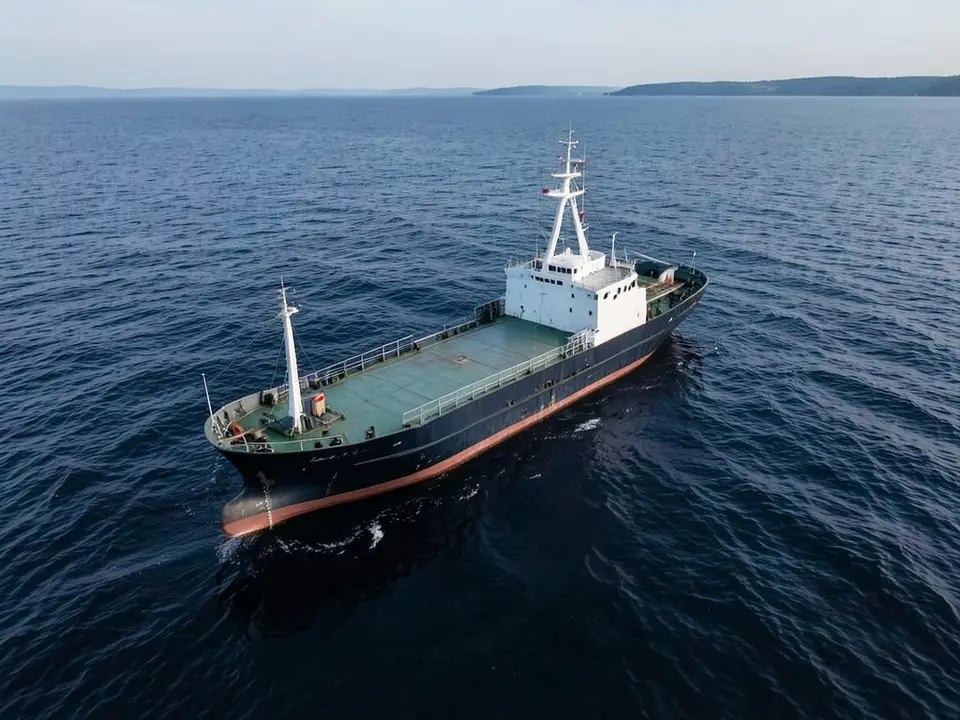
A summons is a quiet instrument. No strike, no sanction, no escalation — just a government calling in an ambassador to say, formally, on the record: this reached us, and we will not pretend it did not. Two Turkish-operated ships, hit in waters their crews had every reason to consider ordinary workplace, and the only channel left open to a neutral nation was a formal insistence on being heard.
That is the tension Türkiye now sits inside. Neutrality was supposed to mean distance. But the war keeps arriving anyway, and a country that wants no part of the fighting still has to decide how to respond when the fighting touches its own. Staying silent would preserve a kind of politeness at the cost of honesty; responding with force would trade one danger for a larger one. So Türkiye chose the narrow middle path — a clear word, spoken through proper channels, in a situation it did not start and cannot end.
The old priestly blessing was spoken over people who would live their whole lives surrounded by hostile powers, and its peace was never framed as distance from danger. It asks for God's keeping within it. That reframes what peace-seeking actually looks like: not the pretense that the water is calm, and not passivity dressed up as restraint, but the courage to name harm plainly while trusting that favor — not geography, not neutrality — is what truly holds. The blessing makes no promise that ships will be spared or that a summons will change the war's course, and we should not ask it to.
Most of us will never file a diplomatic protest, but we know the smaller version of this choice: the conflict we did not start that arrives anyway, and the pull between saying nothing to keep things smooth and saying too much because words feel weak. The blessing invites us to hold both — a genuine longing for peace and a willingness to speak a measured, honest word when harm reaches the innocent. Which of those words is waiting for us this week?