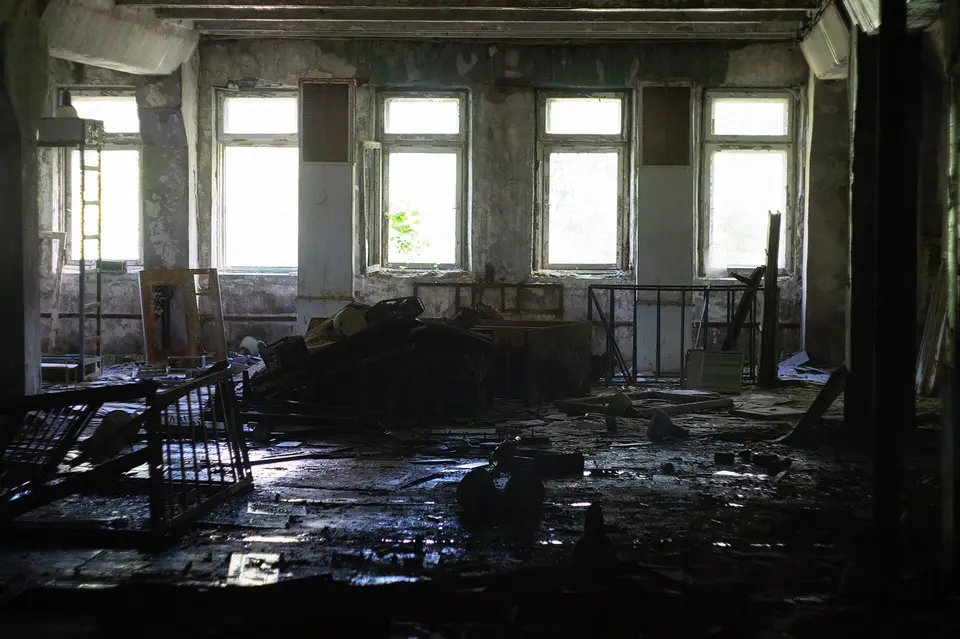
Nothing failed on paper. New Matrix was vetted, cleared, and placed on an official list of approved firms — every box checked — and yet its offices turned out to be a hollow gray shell. What changed here is not policy but knowledge. Someone went and looked, and the moment they did, a piece of the approval stopped meaning what it claimed to mean.
That gap between what is certified and what is true is where the verse earns its place. When the early church faced real pressure to stay quiet, the believers did not pray for easier circumstances. They prayed for the nerve to say plainly what was in front of them — and notice what kind of boldness they asked for: not courage to predict or to win, but courage to speak truthfully. It is the same faculty that turned an approved name on a list into a story about an empty room. Discernment, verification, and plain speech are spiritual disciplines long before they are bureaucratic ones, and they share one requirement: someone must be willing to go look, and then say what they found.
A fair limit is worth stating: an empty office does not by itself prove fraud by New Matrix or negligence by any particular official. It establishes a gap — nothing more. And Scripture's warnings about polished surfaces are aimed first at us, not at institutions. Every day we approve things with our trust: a claim we repeat, a story we share, a character reference we give. The small discipline this week is to look closely before signing, forwarding, or vouching — to let our yes describe what is actually there.