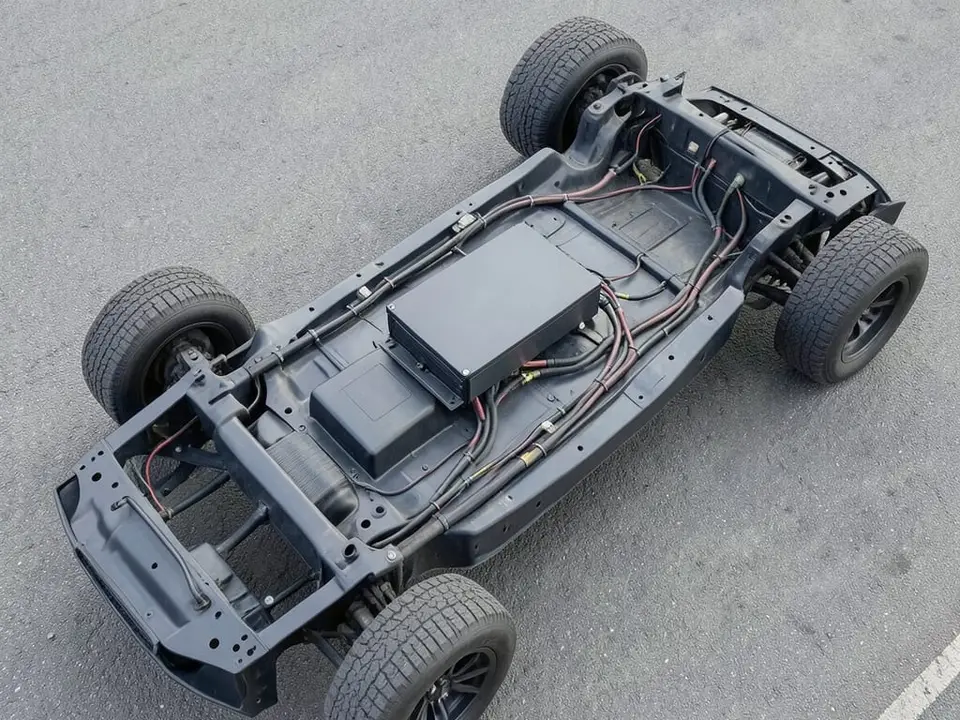
Look at the shape of GM's decision: a new central computer and electrical architecture, built now, reaching customers in 2028 — three years from commitment to proof. That is discernment under pressure. The company did not wait for certainty about where the EV market lands. It committed resources, accepted the risk, and let the evidence arrive on its own schedule.
The tradeoff is real. Every dollar and hour poured into the 2028 platform is a dollar and hour not spent elsewhere, in a market where rivals are already moving. Waiting for perfect information is itself a losing strategy here — the knowledge GM needs has to be sought, built, and tested, not simply had. And the source tells us nothing about whether the bet will pay off. The most disciplined process can still arrive late or miss the mark.
That is where Jesus' words in the verse cut against our instincts. He did not offer Thomas a better method for locating truth — a sharper tool, a faster system. He claimed to be the truth himself. GM's compute can answer how a vehicle should route power or how a factory should sequence a build. It cannot answer why the work matters or who it is for. The most important knowledge is not accumulated the way data is; it is received, and it orients everything else we seek.
So the invitation is to hold both honestly: pursue excellence in the work in front of us with GM's kind of patience, while asking which truths we treat as foundational — and whether they can actually bear the weight we place on them.